A kitchen can look clean. Staff can follow checklists. Food can be stored correctly. Cleaning schedules can be signed every day.
But how does a food business know those controls are actually working?
That is where verification comes in.
Food safety is not only about putting procedures in place. It is also about gathering evidence that those procedures are controlling the risks they are designed to control.
Testing can provide one part of that evidence.
For food businesses, that may mean testing food products, checking water quality, evaluating microbiological risks, reviewing raw materials, or using environmental and hygiene checks to verify sanitation controls. FSSAI describes food analysis as an important part of the food safety ecosystem and identifies purposes including public-health protection, surveillance, enforcement, quality control and process monitoring.
So, what should a food business actually test?
And how often should it do so?
The answer is not "everything, every month."
A better approach is to build a testing programme around the products, processes, risks and controls specific to the business.
Definitions
What Does "Food Safety Testing" Actually Mean?
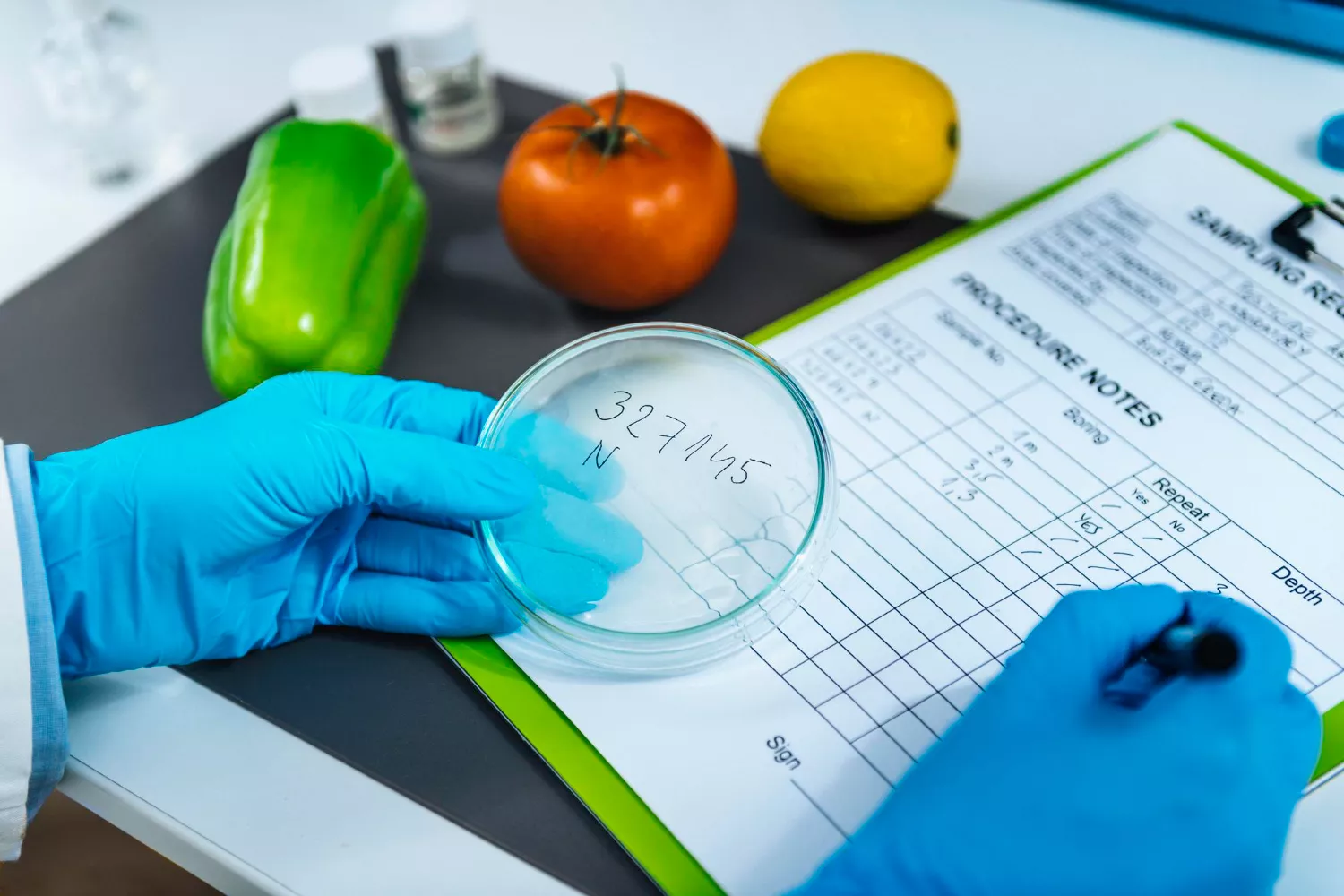
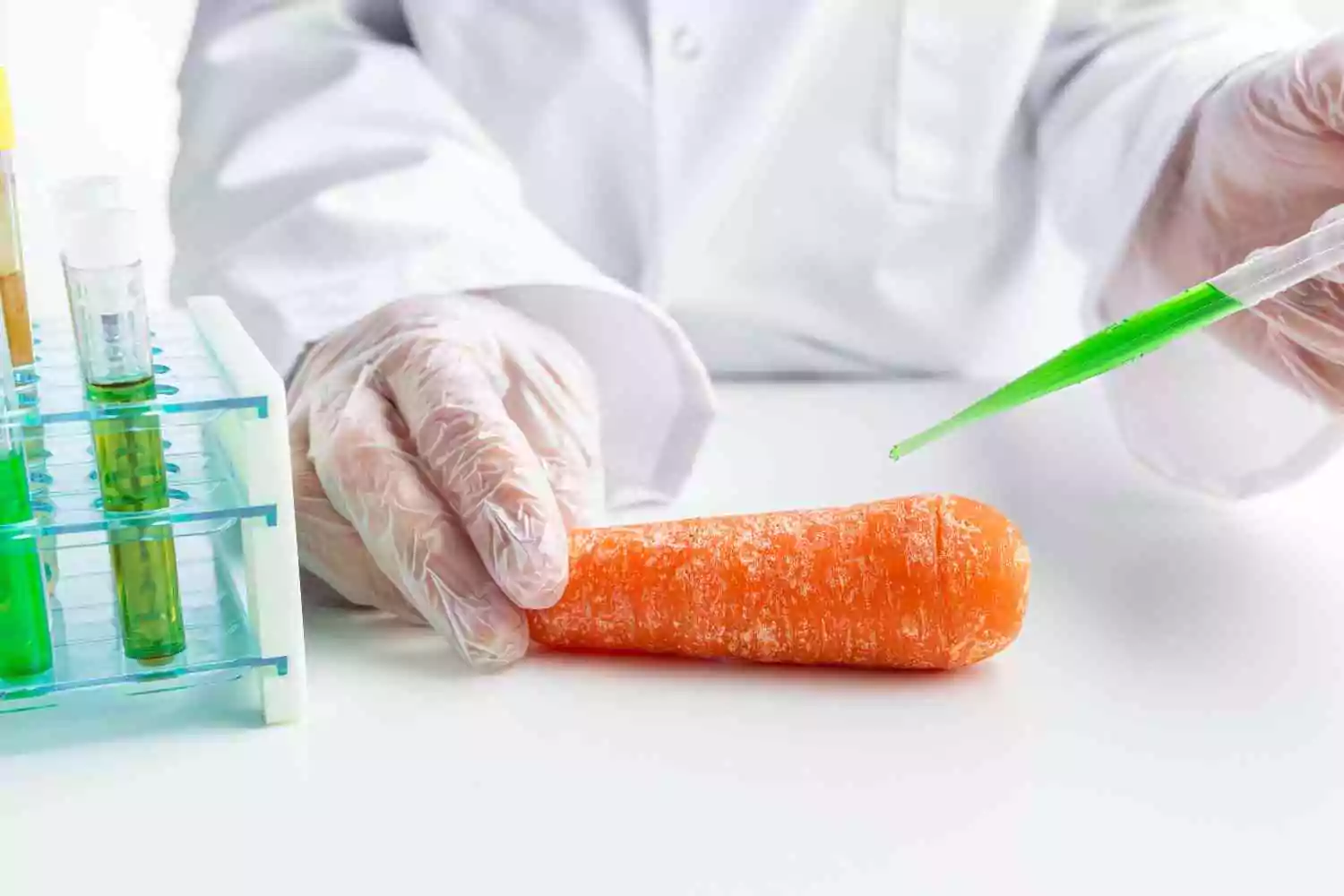
Food safety testing is the laboratory analysis of food, ingredients, water or other relevant samples to determine whether they meet specified safety or quality requirements.
Depending on the sample and objective, testing can examine microbiological, chemical, physical or other parameters.
FSSAI maintains a system of recognised and notified food laboratories, including NABL-accredited laboratories notified under Section 43 of the Food Safety and Standards Act.
But testing should not be viewed in isolation.
A laboratory result tells you something about the sample that was collected and the parameters that were analysed. It does not, by itself, prove that an entire food-safety system is working perfectly.
That is why testing works best as part of a broader food-safety management approach.
FSSAI's guidance on Schedule 4 explains that food businesses are expected to implement food-safety management systems based on good manufacturing and hygiene practices, with HACCP and appropriate prerequisite programmes used to control hazards throughout the food chain.
In simple terms:
Procedures
Tell people what to do.
Audits
Check how the system is being followed.
Testing
Provide analytical evidence about what was sampled.
Together, these provide a much stronger picture.
"
A single test report is a snapshot, not a guarantee. A test report is only useful if it changes what a business does next. The real value of testing is not the report itself, but the decision it helps you make.
Scope
What Should a Food Business Test?
There is no single testing plan that works for every food business. A manufacturer producing ready-to-eat foods will have different risks from a restaurant, cloud kitchen, bakery, caterer or food warehouse. However, several areas commonly deserve consideration.
01
Food Products and Raw Materials
The most obvious starting point is the food itself.
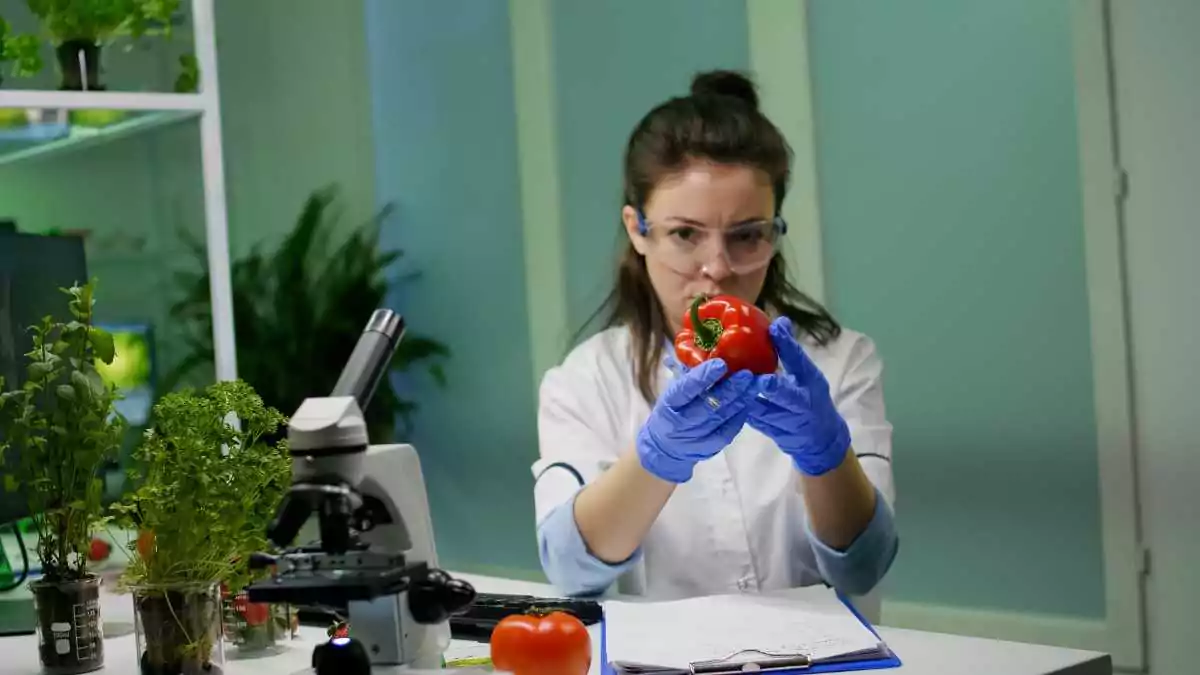
Food testing may be used for finished products, raw materials or ingredients depending on the product, process, risk profile and applicable requirements.
The appropriate parameters will vary considerably.
For some foods, microbiological examination may be important. For others, chemical contaminants, adulterants, nutritional parameters, additives, residues or other characteristics may need consideration.
FSSAI maintains manuals covering different categories and analytical areas, including microbiological examination, water analysis, metals, pesticides, mycotoxins, meat and fish, oils and fats and other food categories.
The important question is therefore not:
"What is the standard food test?"
It is:
"What hazards are relevant to this particular product and process?"
That distinction can prevent businesses from testing simply because a particular panel is commonly offered.
02
Water
Water is often treated as a utility.
For a food business, it can also be part of the food-safety system.
Water may be used for drinking, food preparation, processing, cleaning or other activities depending on the operation. If its quality is compromised, the risk can extend beyond the water itself.
This is why water testing should be considered according to how water is sourced, stored and used within the facility.
FSSAI's published analytical resources include a dedicated Manual on Water Analysis as well as a manual covering microbiological examination of food and water.
For businesses with tanks, pipelines, dispensers or multiple points of use, the question may also extend beyond the original source.
Testing the source does not automatically establish the condition of every point where that water is stored, handled or dispensed.
That is where sampling strategy becomes important.
03
Surfaces and the Food-Handling Environment
A food-contact surface can look clean and still require verification of the sanitation process.
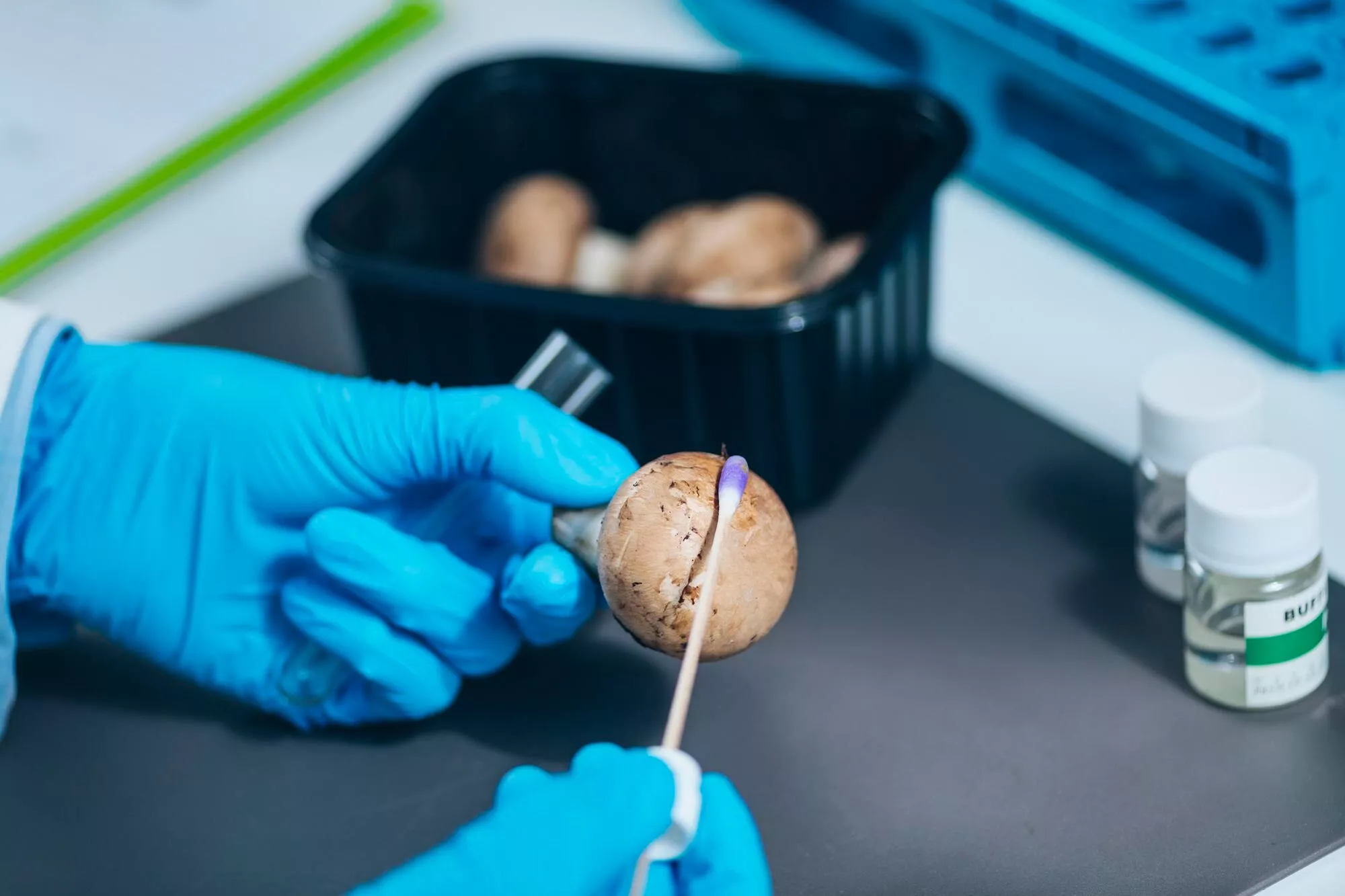
Environmental and surface checks can therefore form part of a broader hygiene-verification programme where appropriate.
The purpose is not simply to find contamination.
It is to understand whether cleaning and sanitation controls are consistently achieving their intended outcome.
The sequence matters:
Clean→
Sanitize→
Verify→
Correct→
Reverify
Testing should support this process rather than replace it.
04
Suppliers and Incoming Materials
Food safety does not begin when an ingredient reaches the production line.
Businesses also need to consider what happens before that point.
Supplier specifications, incoming material checks, documentation, audits and, where appropriate, laboratory testing can form part of supplier-control programmes.
This is particularly relevant when businesses depend on multiple suppliers or handle ingredients with different safety risks.
A strong internal process cannot completely compensate for weak controls over incoming materials.
Frequency
How Often Should a Food Business Test?
This is where businesses often look for a simple answer.
There is no universal testing frequency that applies to every food business, product and process.
A sensible testing programme should be based on risk and the purpose of the testing.
Factors that can influence the programme include:
Type of Food
Processing Method
Product Risk Profile
Intended Use and Consumer
Shelf Life
Historical Test Results
Supplier Performance
Process Changes
Customer Complaints
Previous Non-Conformities
Applicable Regulatory or Customer Requirements
For example, a business introducing a new product may need a different verification approach from an established product with a long history of satisfactory results.
Similarly, a recurring adverse result may justify investigation and increased verification rather than simply waiting for the next scheduled test.
The goal is not to collect the maximum number of reports. The goal is to collect useful evidence at the points where it can inform food-safety decisions.
Clarifying the Difference
Testing vs. Food Safety Audit: What Is the Difference?
These two activities are sometimes treated as interchangeable.
They are not.
| Testing | Audit |
|---|---|
| Examines a sample and selected parameters | Examines processes, practices and controls |
| Produces analytical results | Identifies system or implementation gaps |
| Provides evidence about the sample tested | Provides evidence about how the system is operating |
| Usually requires laboratory analysis | Involves systematic assessment against defined requirements |
An audit may identify that a cleaning procedure is poorly implemented.
Testing may provide analytical evidence from a sample associated with that environment.
Neither automatically replaces the other.
FSSAI's Schedule 4 guidance places food-safety management within a broader system of hygiene, sanitation, GMP, GHP and HACCP-based controls.
That is why food businesses can benefit from looking at testing and auditing as complementary activities rather than competing ones.
Triggers
When Should a Business Increase Testing?
Routine testing is only one part of a verification strategy. There are situations where additional investigation may be appropriate.
A New Product or Process
Changes in formulation, processing, equipment or production conditions can introduce new risks or change existing ones.
A New Supplier
A change in supplier can change the characteristics or risk profile of an incoming material.
An Unexpected or Unsatisfactory Result
A result outside the applicable requirement should not simply be filed away. It may require investigation into sampling, raw materials, processing, sanitation, storage or other relevant controls.
A Customer Complaint
A complaint involving suspected contamination or food safety can become a trigger for investigation and targeted verification.
A Process or Hygiene Change
Changes to cleaning systems, production layouts, equipment or operating procedures may warrant additional verification.
An Audit Finding
An audit can identify a weakness that needs evidence-based follow-up.
In each case, the objective should be the same:
Understand the Risk→
Investigate→
Correct→
Verify Again
Follow-Through
What Happens After a Test Result?
This is perhaps the most overlooked part of food testing.
A laboratory report should not become the final destination.
The more useful process is:
Sample→
Test→
Result→
Interpretation→
Investigation→
Corrective Action→
Verification
Suppose a result identifies a problem.
The next question is not simply:
"Did we fail the test?"
It is:
"Why did this happen, and what needs to change?"
Depending on the situation, that investigation could involve raw materials, handling, sanitation, water, equipment, storage conditions, suppliers or other process controls.
After corrective action, appropriate verification can help establish whether the action addressed the identified issue.
A test result is not the end of food-safety verification. It is evidence for the next decision.
Documentation
What Records Should Food Businesses Maintain?
Testing becomes considerably more useful when results can be understood over time. Businesses should consider maintaining relevant records such as:
Laboratory Test Reports
Sampling Records
Product or Batch Information
Water-Testing Records
Hygiene and Sanitation Records
Audit Findings
Corrective and Preventive Actions
Supplier Records
Complaint Records
Relevant Trend Analysis
The purpose is not to create paperwork for its own sake.
Records help a business answer questions such as:
Has this problem happened before?
Is a particular supplier repeatedly associated with issues?
Did corrective action improve the result?
Are results changing over time?
This turns isolated test reports into usable food-safety information.
Framework
A Practical Food Safety Verification Framework
A useful way to think about food-safety verification is through six steps.
01
Identify
What could go wrong?
Identify the hazards relevant to the food, process and environment.
02
Control
What procedure prevents or controls the risk?
This could involve hygiene practices, temperature control, sanitation, supplier controls or other operational measures.
03
Verify
How do we know the control is being followed and working?
This is where inspections, audits, monitoring and other verification activities become important.
04
Test
What analytical evidence can laboratory testing provide?
Select appropriate samples and parameters based on the objective and risk.
05
Correct
What happens if the evidence identifies a problem?
Investigate the cause and implement appropriate corrective action.
06
Reverify
Did the corrective action actually work?
The process should not stop at correction. The business needs confidence that the issue has been addressed.
This framework shifts food testing from a calendar exercise to a decision-making tool.
Support
When Should a Food Business Work With a Food Testing Laboratory?
A food business may need laboratory support when it requires objective analytical evidence for products, ingredients, water or other relevant samples.
Laboratory support can also be useful when developing or reviewing a testing programme, investigating suspected contamination, evaluating product quality, verifying specific controls or responding to recurring issues.
FSSAI's food-testing ecosystem recognises the role of notified food laboratories in the analysis of food samples, with FSSAI recognising and notifying laboratories including NABL-accredited laboratories for this purpose.
For businesses, the important consideration is not simply finding a laboratory that can produce a report.
It is finding the right testing approach for the question the business is trying to answer.
The Bigger Picture
Food Safety Testing Should Answer a Question
Food safety testing works best when it has a clear purpose.
Instead of asking:
"What should we test this month?"
a food business can start by asking:
"What risk are we trying to verify or control?"
That small change can completely alter the testing strategy.
The answer might lead to product testing.
It might lead to water testing.
It might identify the need for environmental verification, supplier evaluation or a hygiene audit.
And sometimes, it may reveal that the business needs several of these activities working together.
Ultimately, food safety is not established by a single laboratory report, audit or checklist.
It is built through a system of controls, verification, evidence and corrective action.
For food businesses looking to establish or strengthen that system, Equinox Labs supports food testing, water testing, and hygiene and GMP audits, along with related food-safety requirements. The objective is not simply to generate another report, but to help businesses obtain evidence they can use to make better food-safety decisions.
Because knowing that a control exists is one thing. Knowing that it works is another.
Build a Testing Programme Around Your Actual Risks
Equinox Labs supports food testing, water testing, and hygiene and GMP audits — so you get evidence you can act on, not just another report.
Talk To Our Experts FAQ
Frequently Asked Questions About Food Safety Testing
Food safety testing is laboratory analysis of food, ingredients, water or other samples to check whether they meet specified safety or quality requirements. It examines microbiological, chemical or physical parameters depending on the sample, but works best as part of a wider food-safety management system rather than as a standalone check.
There is no single testing plan for every business. Commonly relevant areas include food products and raw materials, water used in preparation or cleaning, food-contact surfaces and the handling environment, and incoming materials from suppliers. The right parameters depend on the specific hazards relevant to that product and process.
There is no universal testing frequency. A sensible programme is based on risk factors such as the type of food, processing method, shelf life, historical results, supplier performance, process changes and customer complaints, rather than a fixed calendar schedule.
Testing examines a sample against selected parameters and produces analytical results. An audit examines processes, practices and controls, and identifies system or implementation gaps. They are complementary activities, not substitutes for each other.
Additional testing may be warranted after introducing a new product or process, onboarding a new supplier, receiving an unexpected or unsatisfactory result, a customer complaint, a hygiene or process change, or an audit finding.
A result should trigger interpretation and, if needed, investigation into the cause, covering raw materials, handling, sanitation, water, equipment or suppliers, followed by corrective action and reverification to confirm the fix worked.
Useful records include laboratory test reports, sampling records, batch information, water-testing records, hygiene and sanitation records, audit findings, corrective actions, supplier records and complaint records, so results can be tracked as trends rather than isolated reports.
Laboratory support is useful when a business needs objective analytical evidence, is developing or reviewing a testing programme, investigating suspected contamination, evaluating product quality, or responding to recurring issues.
Related Blogs