In December 2024, a family in Rajouri, Jammu & Kashmir, fell critically ill after consuming food at home. Within days, four members of the same family lost their lives.
What initially appeared to be a case of food poisoning soon raised larger concerns. As investigations continued, more deaths were reported from the same region, pointing towards a broader contamination issue.
This was not a roadside incident. It was not reckless consumption. It was a normal meal, in a normal home.
But here is the thing that family did not eat at a roadside stall. They did not do anything wrong.They sat down for a meal at home. And somewhere in the supply chain that brought food to their table, something was not tested. Something was not checked. Something was let through.
This is not an isolated tragedy. This is India's food supply chain safety failing in plain sight.
What Does India's Food Sample Failure Rate Actually Mean?
A 2024 analysis of FSSAI-linked state testing data reveals significant gaps in food safety enforcement. Failure rates were reported as high as 52.8% in Uttar Pradesh, 28.4% in Rajasthan, and 18.7% in Maharashtra, highlighting uneven compliance across states.
That is not an abstract statistic. That is the dal you had for lunch, the paneer in last night's sabzi, and the packaged snack in your child's tiffin.
Acute Diarrheal Disease Outbreaks in India: 2024 by the Numbers
By the end of 2024, India recorded over 1,000 outbreaks of acute diarrheal disease the highest since records began in 2009. And these are only the outbreaks of someone connected back to a source. Most people who got sick simply thought they had a bad stomach day. The actual scale of foodborne illness in India is significantly larger than what is officially recorded.
How Water Contamination Affects the Food Supply Chain
One of the most overlooked vectors in India's food safety crisis is water. Water is used at every stage of food production washing ingredients, processing, cooking, and cleaning equipment. When that water is not covered by regular water quality testing, it does not just cause illness. It carries pathogens directly into products that will be packaged, labelled, and sold on shelves.
For any food business, water sample testing is not optional hygiene it is a core food safety requirement.
Why Food Safety in India is not just a street food problem
There is a comfortable lie that circulates in India's food industry that safety failures happen at dhabas and roadside stalls, not at rated restaurants or branded products. The evidence says otherwise.
Cancer-causing dye found in gobi manchurian: the Karnataka case
In 2024, Karnataka's food safety department found Rhodamine B a cancer-causing textile dye in gobi manchurian served at restaurants across the state. Not street stalls. Sit-down restaurants. The same department tested 235 cake samples from Bengaluru bakeries and found artificial colours exceeding safe limits in twelve of them.
MDH and Everest spice ban: what it reveals about branded food adulteration in India
In 2024, regulators in Singapore and Hong Kong banned MDH and Everest spice products for containing ethylene oxide, a Group 1 carcinogen. These are products trusted in over 100 million Indian kitchens. They were flagged not by Indian regulators but by foreign governments. That gap tells us everything about the depth of our domestic testing system.
Is the food in your office cafeteria tested? Most isn't
Food professionals who would never eat from an unverified vendor think nothing of eating three meals a week from an office cafeteria that has never had a food safety inspection, never had its water supply tested, and operates on a licence granted once and never reviewed. For most offices in India, cafeteria food testing is not standard practice. For any facility serving hundreds of employees daily, that is a significant and invisible risk.
What FSSAI compliance services cover and what they don't
Getting an FSSAI licence is a threshold requirement. It means your business is registered. It does not mean your food is regularly tested, your processes are monitored, or that someone will visit your facility unannounced to check what is actually happening. FSSAI compliance services are critical but a licence is a starting line, not a finish line. The gap between getting licensed and operating safely is where most of India's food safety failures live.
India’s food safety officer shortage: 1 officer for every 2,500 outlets
India has fewer than 8,000 food safety officers for over 2 crore food outlets; roughly one officer per 2,500 outlets. Even with daily inspections, an outlet would be visited only once every three years.
Maharashtra had just 130 officers on the ground in 2025 against a requirement of 1,100.
Even if every officer worked every day, inspection at this scale is mathematically impossible. The system is failing because it was never built for this scale.
Why nutritional labeling testing is important
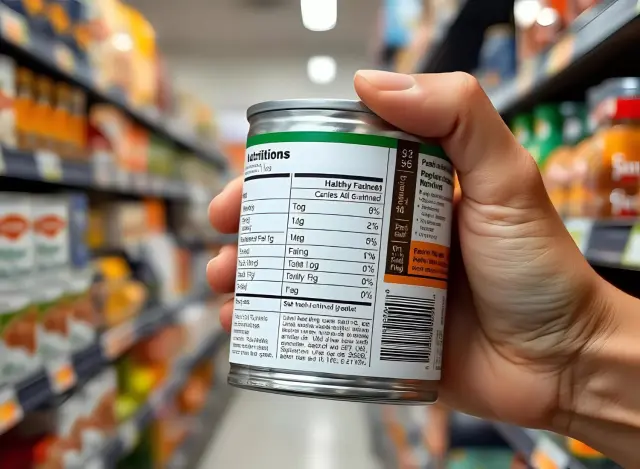
In India, the nutritional information on most packaged food labels is based on the manufacturer's own calculations, not independent lab verification. There is no mandatory requirement for third-party nutritional labeling testing before a product reaches market. For consumers managing health conditions, and for manufacturers carrying legal liability, this is a serious gap.
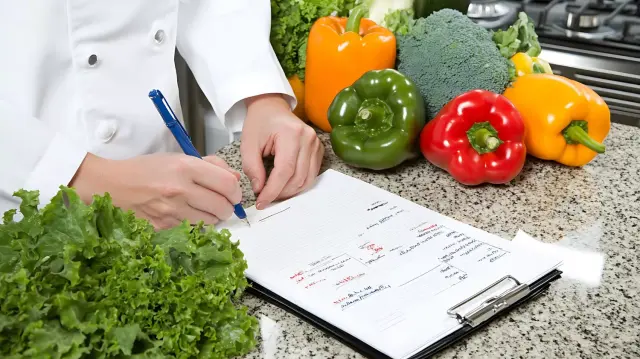
How restaurant food safety audits reduce risk
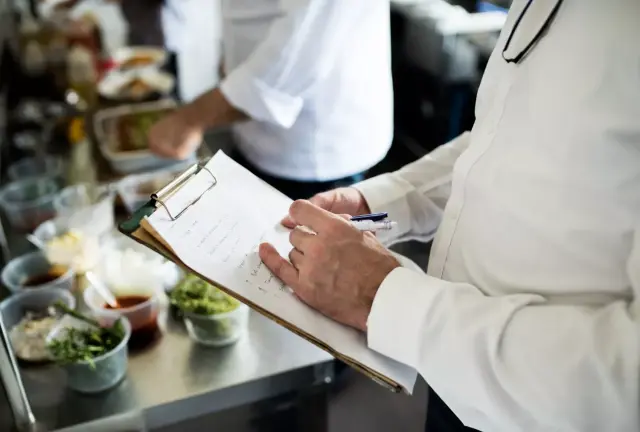
For restaurant operators, a restaurant food safety audit is not just a compliance exercise. It is risk management. A documented audit trail means that if an incident occurs, your business can demonstrate due diligence. It protects you legally, protects your reputation, and increasingly, it is what corporate clients and large-scale food buyers require from vendors before signing contracts.
Making test results public: the transparency standard India needs
Food testing results in India where they exist are buried in government portals no one visits. Real accountability means test results published and searchable, linked to the brand being tested. Inspection scores displayed at restaurant entrances. Consumers and buyers are able to verify the safety of the products at the time of purchase
Where contamination enters: critical testing points in the supply chain
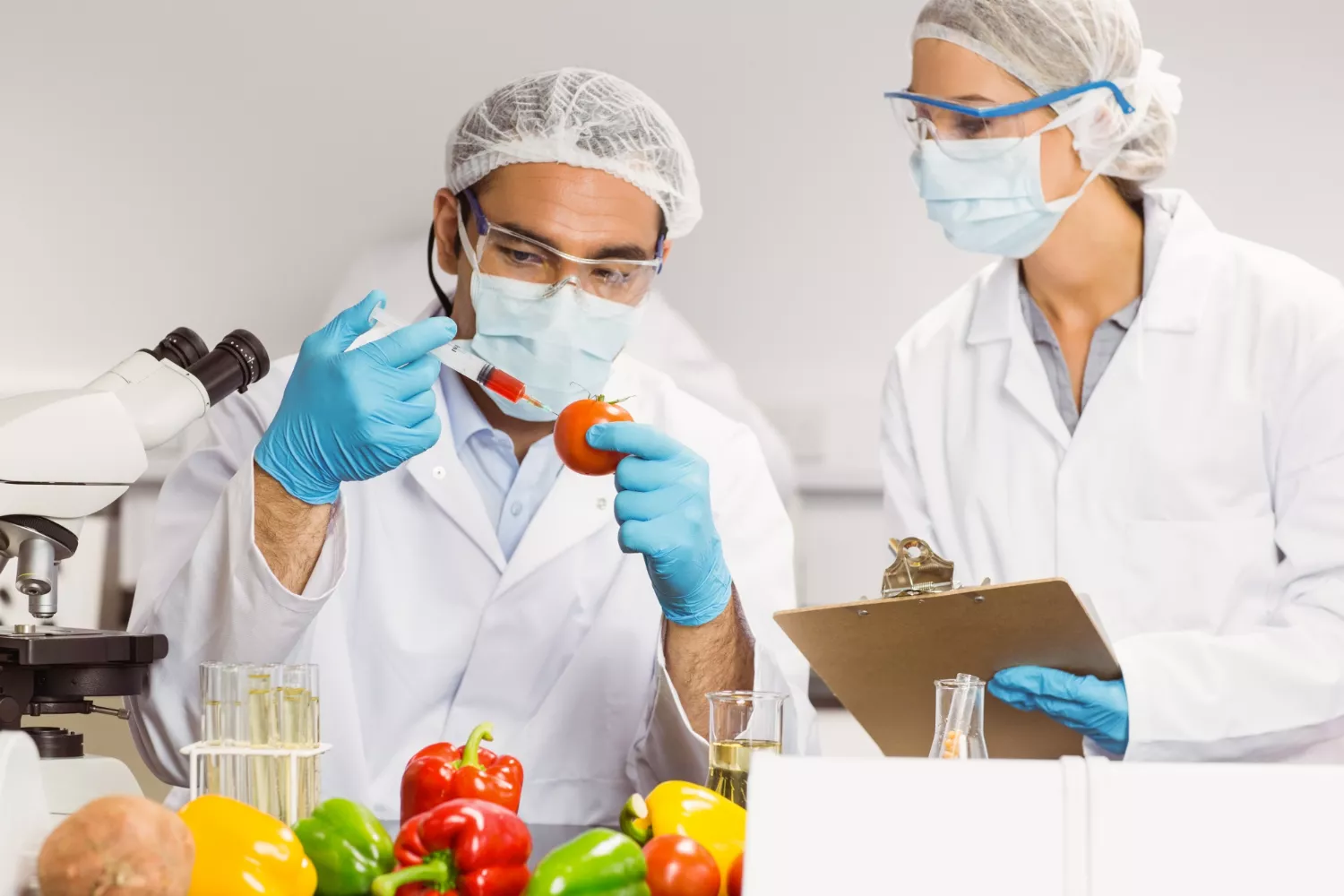
Contamination accumulates at the farm, during transport, at the processing facility, in storage, during packaging. A robust programme of food testing services for manufacturers maps every one of these points and assigns a testing protocol to each. Raw materials tested on arrival. Finished products tested before dispatch. Not as a one-time event, but as an ongoing programme tied to actual production batches.
Water sample testing in food processing: the overlooked risk
Water is used in almost every food manufacturing process as an ingredient, a cleaning agent, and a sanitation tool. Yet regular water sample testing at processing facilities remains rare.
A trusted water testing company in India can identify contamination risks before they reach the product before they surface in a consumer complaint or a regulator's report.
Environmental monitoring services: what proactive food facilities do differently
The most safety-conscious manufacturers go beyond testing the product. They should test the environment in which air, surfaces, drains, and equipment are on a regular schedule.
Environmental monitoring services give manufacturers early warning of hidden contamination risks before they reach the finished product. It is the difference between catching a problem in the facility and catching it in a headline.
What Food Industry Professionals Can Demand Right Now
Questions every food business should ask its testing lab
Not all food testing labs are equal. Before you engage one, ask: Are you FSSAI approved and NABL accredited? Do you test finished products or only raw materials? How quickly do you turn around results? Can you provide certificates that meet international export standards? Do you offer ongoing testing programmes or only one-off tests? If your lab cannot answer all of these clearly, that is information you need.
Why NABL accreditation matters more than FSSAI registration alone
FSSAI registration tells you a lab is recognised by India's food authority. NABL accreditation from the National Accreditation Board for Testing and Calibration Laboratories confirms the lab operates to international quality standards and has been independently assessed for technical competence.
For manufacturers exporting products and businesses that need results recognised by international buyers, a NABL Lab in Mumbai or elsewhere in India is not optional. It is the baseline.
How to choose an FSSAI Approved Food Testing Lab in India
When selecting an FSSAI Approved Food Testing Lab, look for four things:
- Accreditation (NABL): Ensure the lab is NABL-accredited for credibility and compliance.
- Scope: Confirm the lab tests your exact products and required parameters.
- Turnaround Time (TAT): Results should be fast enough to support real-time operations.
- Reporting: Reports must be clear, well-documented, and audit-ready.
- Decision Value: The lab should provide actionable data, not just a certificate to guide supplier selection, process control, and product safety.
Test Before It Makes Headlines
Equinox Lab is an FSSAI Approved Food Testing Lab and NABL Lab in Mumbai, offering end-to-end food quality and safety testing services for manufacturers, brands, and food service operators across India.
- Food safety audit services - Independent audits conducted with detailed compliance reporting
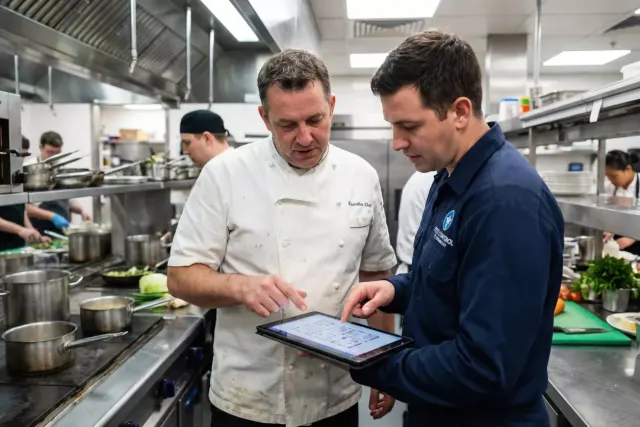
- Restaurant and cafeteria audit - Cafeteria food testing, and safety checks for daily operations
- Water quality testing - Critical water sample testing for food processing safety
- Nutritional labeling testing - Accurate verification for regulatory compliance standards
- FSSAI compliance services - End-to-end support from registration to ongoing compliance
Conclusion
India's food safety problem will not fix itself through regulation alone. It changes when businesses stop waiting to be inspected and start testing by choice. The infrastructure exists. The labs exist. The only thing missing is the decision to act before something goes wrong.
FAQs
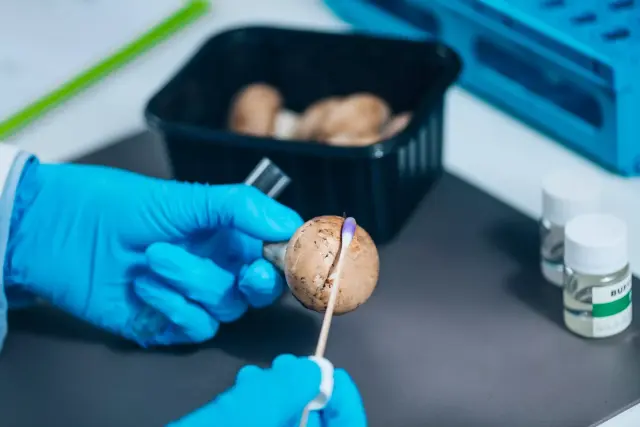
FSSAI food testing is the analysis of food products to verify they meet the safety and quality standards set by the Food Safety and Standards Authority of India. It checks for
adulterants, contaminants, pesticide residues, microbial presence, and correct nutritional composition before products reach consumers.
Yes. Any food business operator licensed under FSSAI is required to ensure their products meet FSSAI standards. While the regulator conducts surveillance testing, businesses are
also expected to conduct their own product testing especially manufacturers, exporters, and large food service operators.
FSSAI approval means a lab is recognised by India's food authority to conduct food testing. NABL accreditation means the lab has been independently assessed for technical
competence against international standards. For export-ready results and credibility with international buyers, NABL accreditation is the higher benchmark.
Testing should be tied to production batches not done as a one-time exercise. At minimum, raw materials should be tested on arrival and finished goods before dispatch.
High-volume manufacturers benefit from ongoing programmes with environmental monitoring between product tests.
Yes, if the testing is conducted by a NABL-accredited lab with the relevant scope. Results from non-accredited labs may not be accepted by international buyers or foreign
regulators. Always confirm the lab's accreditation scope covers your product category and the parameters required by your target market.