
Introduction
Cloud kitchens are designed for speed. Orders move quickly, brands expand rapidly, and customers never step inside the kitchen.
But that invisibility comes with a quiet cost.
There is no dining room to reassure customers. No open kitchen to build confidence. Every order represents an act of trust in a process that the customer will never witness.
In cloud kitchens, trust isn’t built by ambience. It is built on hygiene that the customer never sees.
When cloud kitchen hygiene slips, it doesn’t fail loudly. It fails silently until the first illness, the first complaint, or the first inspection notice arrives. And by then, the harm has already been done.
Why Cloud Kitchens Are More Vulnerable Than Restaurants
Traditional restaurants benefit from visibility. Cloud kitchens operate without it.
This operational model creates unique food safety vulnerabilities:
- High order volumes with minimal staffing
- Shared kitchens where cross contamination spreads easily
- Multiple brands using the same prep areas and water lines
- Pressure to deliver faster, encouraging hygiene shortcuts
- Fewer routine inspections compared to dine-in restaurants
Without routine kitchen audits, small lapses quietly compound into systemic hygiene failures.
What’s Going Wrong Inside Cloud Kitchens?
Based on recurring patterns during food safety audits, these are the most common failures inside cloud kitchens.
1. The Water Trap
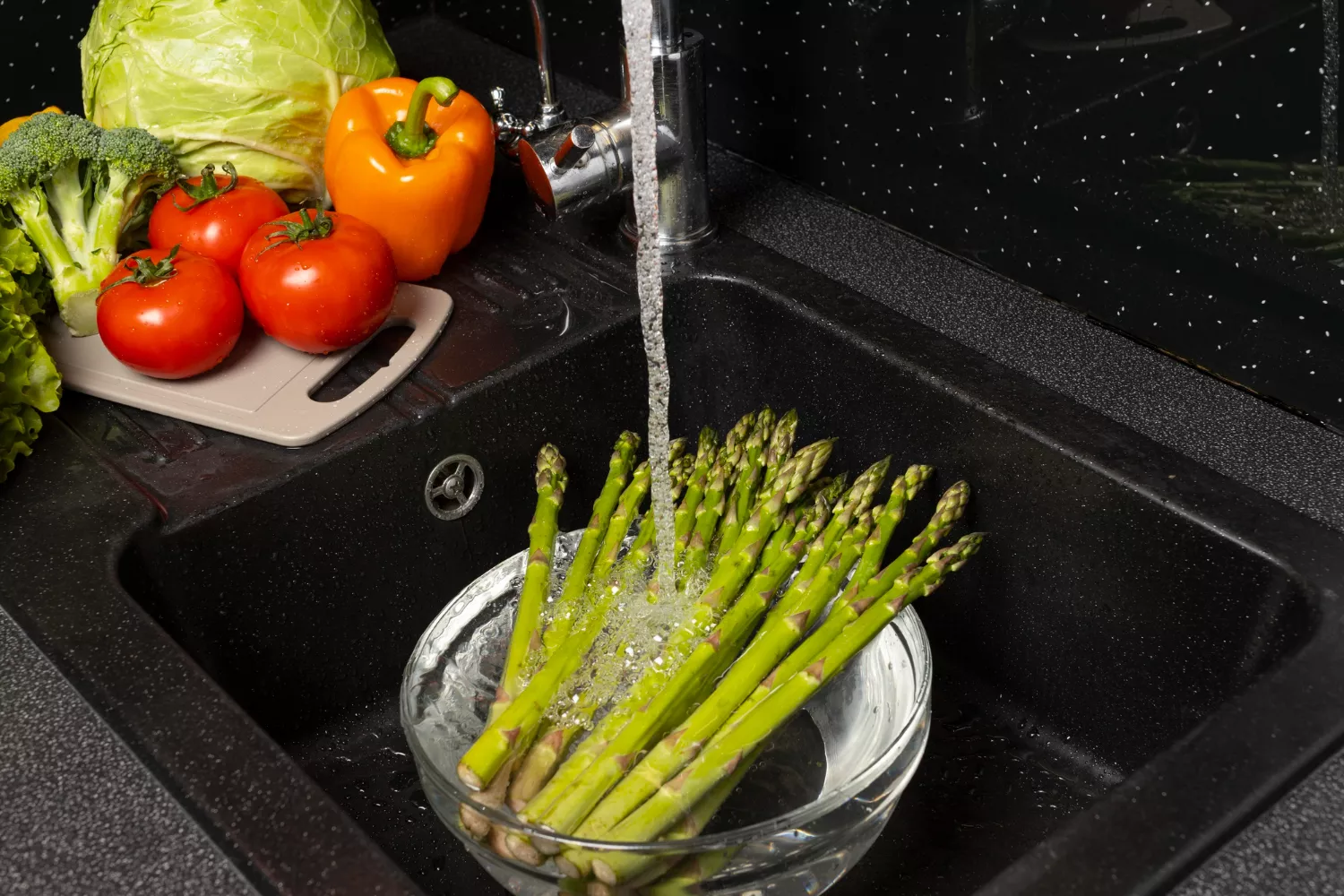
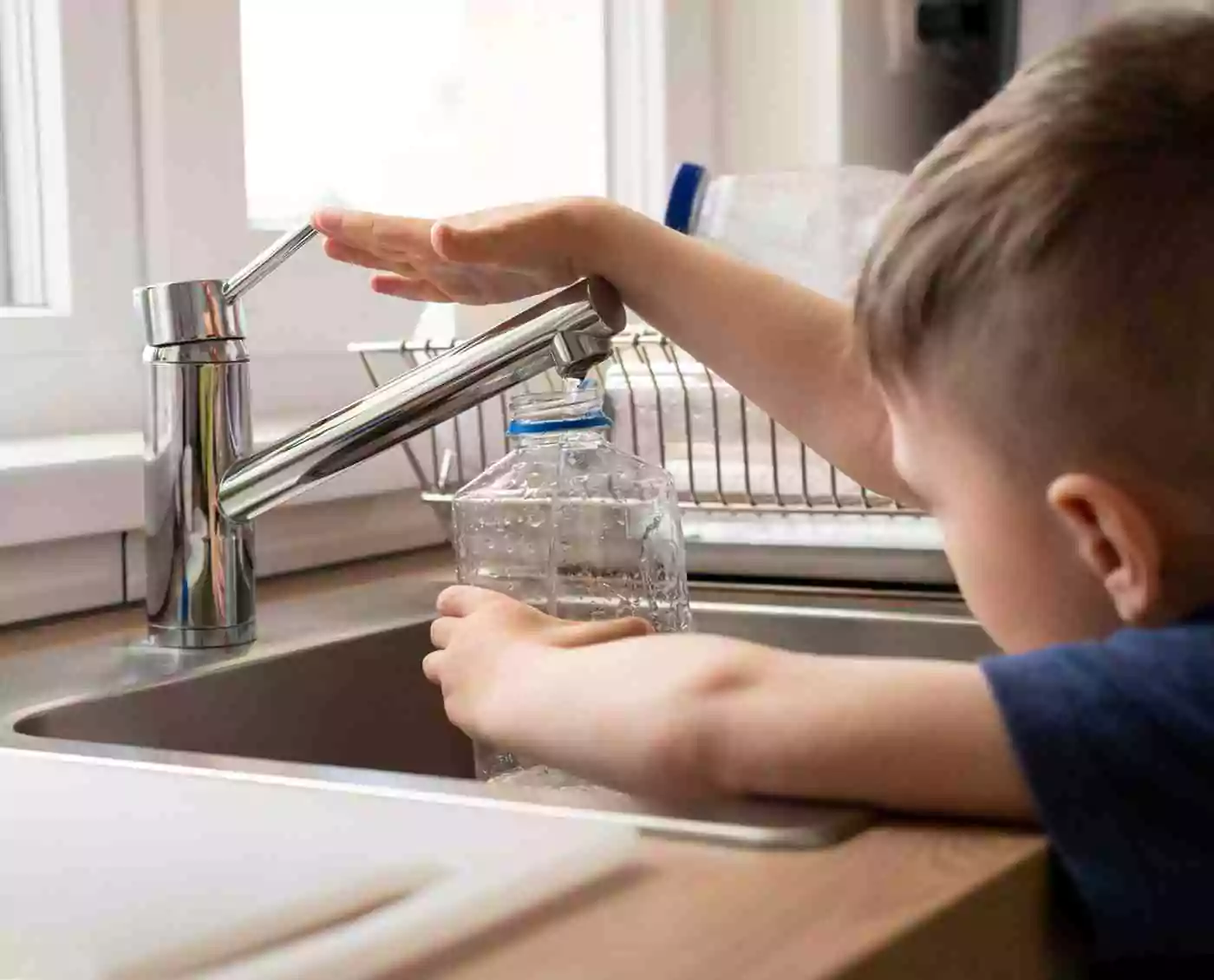
Water is the most used ingredient in every kitchen, yet the least tested.
What goes wrong:
- Borewell or untested water used for washing and cooking
- Storage tanks forming biofilm.
- No routine microbiological testing.
Impact:
- Pathogens enter food early in preparation
- Contamination spreads across vegetables, utensils, ice, and beverages
This is one of the most commonly overlooked issues in cloud kitchen hygiene compliance.
2. The Surface Contamination Cycle
Speed-driven kitchens often overlook surface sanitation.
Common issues:
- Prep tables are not sanitised between brand orders.
- Cutting boards used for both raw and cooked dishes.
- Improper sanitizer use.
This directly violates raw vs cooked food separation in cloud kitchens and accelerates cross contamination.
3. Poor Personal Hygiene
Most outbreaks do not start with equipment. They start with people.
We frequently observe:
- Gloves replace handwashing.
- Aprons are worn throughout the day.
- Noncompliance with hairnets and hand hygiene.
Without a structured training program to prevent cross-contamination, hygiene becomes inconsistent and untraceable.
4. Temperature Abuse
The pressure to deliver fast creates unsafe shortcuts.
Examples:
- Improper cold storage maintenance.
- Thawing raw meat on countertops.
- Overloaded refrigerators.
Temperature abuse weakens food safety controls and is a recurring non-compliance in kitchen audits.
5. Temperature Abuse
Pests thrive where routine cleaning misses:
- Behind racks
- Under sinks
- Near delivery doors
Without a structured cloud kitchen cleaning checklist, these zones quietly become contamination sources.
What Customers Don’t See, But Inspectors Will
Customers may not see your kitchen, but inspectors will.
What happens when hygiene fails?
- Cloud kitchens lose licenses faster than restaurants
- One contamination complaint can trigger app delisting
- Platforms suspend brands with hygiene violations
- A single lab report can halt operations for weeks
When operations aren’t visible, accountability becomes even more critical.
The Hygiene System Cloud Kitchens Need by Equinox Labs
Hygiene must function as a system, not a checklist.
A reliable cloud kitchen hygiene compliance framework includes:
- Water quality testing
- Surface swab testing
- Daily sanitation logs
- Temperature monitoring
- Oil quality testing
- Pest control documentation
- Food handler training
- Independent food safety audits
When hygiene is proactive, food safety audit costs for cloud kitchens stay predictable and manageable. The real value of regular kitchen audits lies in prevention not damage control after complaints, penalties, or shutdowns.
Cloud kitchens succeed on speed, but they survive on safety.
When no one is watching, systems replace supervision. Hygiene failures don’t announce themselves. They surface as complaints, penalties, and lost trust.
The kitchen may be invisible to customers, but the consequences of poor hygiene never are.
FAQs
Practising proper cleaning and hygiene can help to lower the risk of illness. Wash your hands, Clean kitchen, clean utensils and eating areas, Avoid cross contamination, Don't make food for others if you're ill.
The 4Cs of food hygiene cleaning. cooking. Chilling. Cross-contamination.
Avoid cross-contamination, Correct food storage, Clean your fridge regularly, Maintaining kitchen cleanliness and Regular or time to time audit.
Untested water, poor surface sanitation, weak raw vs cooked separation, and temperature misuse.
Quarterly at minimum. High-volume kitchens benefit from monthly audits to reduce long-term food safety audit costs.