

What You Need To Know About Brain-Eating Amoeba in Kerala
Have you ever heard of a brain-eating amoeba? Sounds like something out of a science fiction movie, right? Unfortunately, it’s real, and it’s happening right now in Kerala.
In 2025, Kerala reported 69 confirmed cases and 19 deaths due to a rare infection called Primary Amoebic Meningoencephalitis (PAM), caused by the microorganism Naegleria fowleri. Let’s break down what this infection is, why it’s so dangerous, and how you can stay safe.
What Exactly Is the Brain-Eating Amoeba?
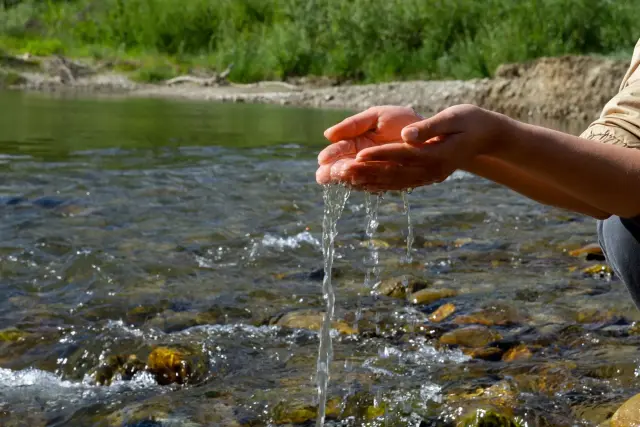
The scientific name for this microorganism is Naegleria fowleri. It’s a free-living amoeba, basically a single-celled organism that naturally lives in warm freshwater, like ponds, lakes, rivers, and poorly maintained swimming pools. When water temperatures rise, especially during summer or in tropical climates like Kerala, it multiplies rapidly.
It usually lives peacefully in the environment. The danger begins only when it enters the human body through the nose.
It’s Not in the Water You Drink
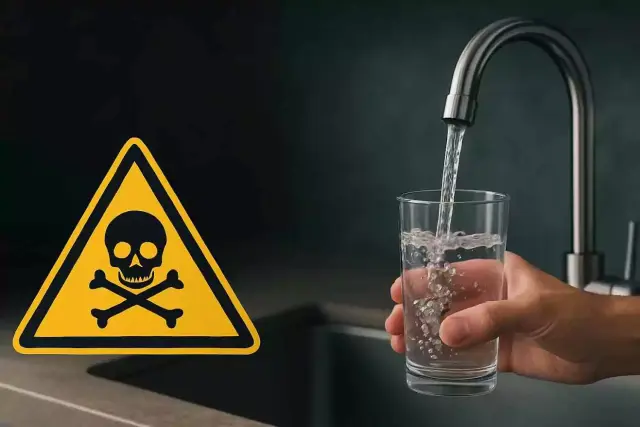
One of the biggest misconceptions is that this infection spreads by drinking contaminated water. That’s not true. Naegleria fowleri infects people only when contaminated water enters through the nose. Once inside, it travels up the nasal cavity to the brain and starts destroying brain tissue.
This leads to Primary Amoebic Meningoencephalitis (PAM), a condition that is almost always fatal if not treated immediately. Swimming, bathing, or washing your face with untreated warm water can be risky.
Why Kerala’s Situation Is Alarming?
Kerala’s outbreak is unusual and deeply concerning. These cases aren’t linked to one single source. The infections are scattered across different regions, making it difficult to trace or contain.
The amoeba thrives in warm, stagnant water, and Kerala’s hot, humid climate creates perfect breeding conditions. As summer temperatures rise, the risk of exposure goes up too. The fatality rate for PAM is over 97%.
How Did the Infection Happen?
- You dive or swim in warm, stagnant water, say a pond, lake, or poorly maintained tank.
- Water rushes into your nasal passages.
- The Naegleria fowleri amoeba travels up the nose, through the olfactory nerve, into the brain.
- It starts destroying brain tissue, causing swelling, inflammation, and neurological damage.
- The infection usually develops within 1–12 days and progresses rapidly.
Don’t Ignore These Symptoms
Early signs resemble meningitis: severe headache, fever, nausea, vomiting. As the infection worsens: stiff neck, confusion, loss of balance, seizures, hallucinations, coma. Immediate hospitalization is critical.
Why It’s Hard to Treat?
There’s currently no guaranteed cure for PAM. Doctors use Amphotericin B and Miltefosine, but detecting infection early is difficult, making prevention crucial.
How to Protect Yourself and Your Family?
Avoid untreated or stagnant water
- Don’t swim or dive in ponds, lakes, or rivers during hot months.
- If necessary, wear nose clips or keep your nose tightly shut.
Maintain clean water tanks and wells
- Ensure all domestic water sources are regularly cleaned, covered, and chlorinated.
- Standing water is a breeding ground for Naegleria fowleri.
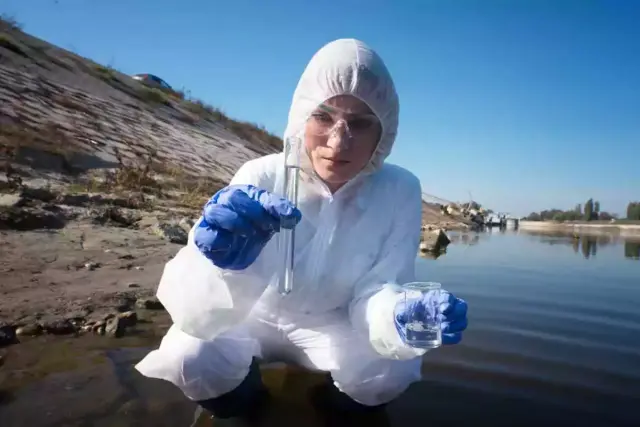
Equinox Labs offers expert water testing and guidance to reduce the risk of brain-eating amoeba exposure.
What the Kerala Health Department Is Doing?
- Testing of local water sources
- Public awareness campaigns
- Increased chlorination of public wells and tanks
- Surveillance to track potential cases early
Why is Water Testing Mandatory?
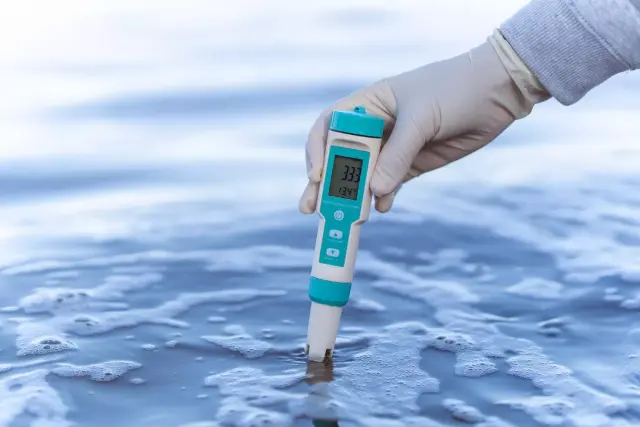
Regular water testing ensures safe levels of chlorination and identifies harmful microbes, protecting against Naegleria fowleri and other pathogens like E. coli, Salmonella, and Legionella.
A Quick Recap
- You can’t get infected by drinking water, only if it goes up your nose.
- Avoid warm, stagnant, untreated water.
- Keep water tanks clean and chlorinated.
- Seek medical help fast if symptoms appear after exposure.
FAQs
Kerala is witnessing an outbreak of Naegleria fowleri, causing fatal brain infections (PAM). In 2025, there were over 69 confirmed cases and 19 deaths.
Avoid swimming in untreated water, wear nose clips, keep tanks clean and chlorinated, and seek immediate medical help if symptoms appear.
Early symptoms: headache, fever, nausea, vomiting. Later: stiff neck, confusion, seizures, coma. Symptoms appear 1–12 days after exposure.
Yes. Naegleria fowleri has been detected in Kerala, Rajasthan, Maharashtra. Risk rises during hot months in stagnant, untreated water.