Most corporate offices have exactly one water test report on file. One sample. One tap. One lab certificate issued six months ago, now expired.
That report does not cover the kitchen tap. It does not cover the water employees rinse produce under. It says nothing about the restroom basin that food handlers use before every shift.
Water quality testing at a single point in a multi-source building is not compliant. It is the appearance of compliance.
In a corporate food safety context, those two things carry very different legal consequences.
Why Is a Single Water Report Not Enough?
A single water test report is not enough if your facility has more than one water source and every corporate building does.
A workplace water safety test at the drinking dispenser confirms quality at that specific point, on that specific day. It does not account for pipes running to your cafeteria kitchen, or the longer, infrequently used lines feeding restroom basins on upper floors.
Buildings have complex plumbing. Water travels different routes. Two taps drawing from the same mains supply can carry meaningfully different contamination profiles.
Research from Purdue University found that in a standard commercial office building,copper and lead levels increased significantly after weekend stagnation. Legionella counts were highest at fixtures with the lowest recorded use. The mains supply was clean. The building’s own plumbing was the contamination source.
What Corporate Water Quality Testing Must Actually Cover
A complete corporate water quality testing programme covers every point where water contacts people or food. Three source categories are non-negotiable:
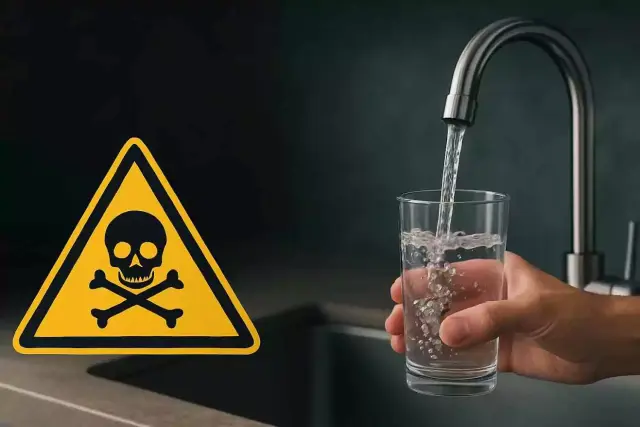
- Drinking water - Dispensers, coolers, and dedicated drinking taps
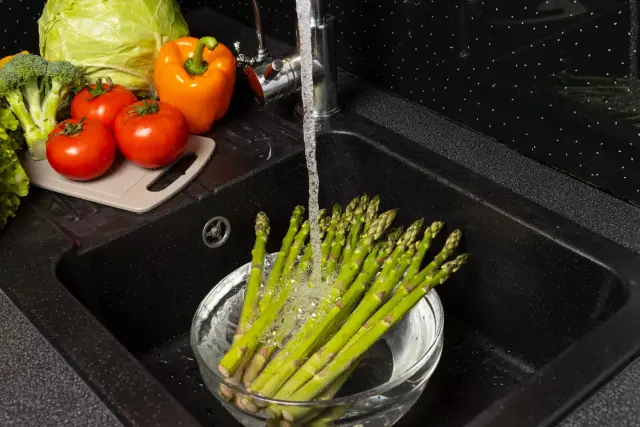
- Kitchen water - Food prep sinks, produce washing, equipment cleaning, and cooking supply lines
- Restroom water - Handwashing basins used by food handlers and cafeteria staff
Each source carries a distinct risk profile. Each requires independent sampling and separate laboratory analysis.
Is the Water from the Drinking Tap, Kitchen Tap, and Restroom Tap Really Different?
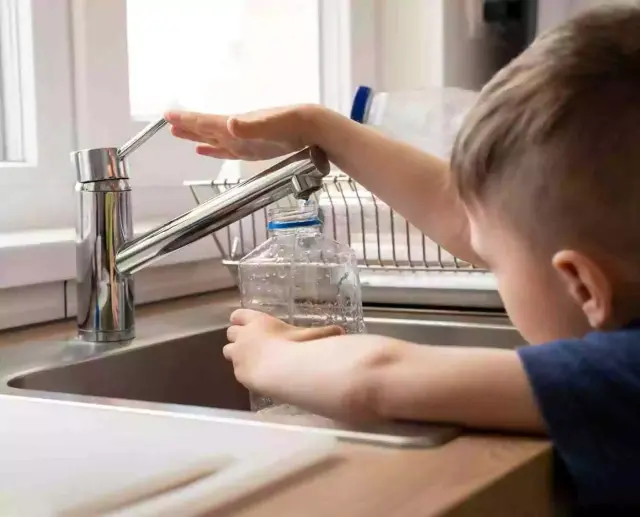
Drinking Water :Yes. Drinking water, kitchen water, and restroom water can be significantly different in quality inside the same building, even when drawing from the same mains supply.
Drinking dispensers are the most-maintained points in a corporate building. But maintained is not the same as safe. Dispensers accumulate biofilm when cleaning schedules slip. Cooler tanks support bacterial growth when water sits. Clear water is not a safety indicator E. coli and coliform are the bacteria that attach to pipes and surfaces, creating a sticky, protective film that harbors bacteria and are invisible.
Testing the most visible point alone gives an incomplete picture of building-wide water quality.
Kitchen Water : Kitchen water in a corporate cafeteria is food-contact water. Under FSSAI regulations, it carries the same compliance burden as any ingredient used in food preparation.
FSSAI mandates that all food business operators ensure water used for food preparation, washing raw materials, cleaning equipment, and employee handwashing meets Bureau of Indian Standards IS 10500:2012.
That obligation applies to the kitchen tap. Not just the drinking water point. FSSAI’s Schedule 4 framework classifies water used in food handling, processing, and cleaning as ‘food’. Kitchen water quality is a food safety issue legally and operationally not simply a facilities maintenance concern.
Kitchen pipes see more use than restroom lines, which reduces stagnation risk. But they are not immune, especially in buildings where pipes are over fifteen years old. Contaminated kitchen water does not need to travel far to reach food. It is already at the source.
Restroom Water : Restroom water travels through longer, less-used pipes than kitchen lines. It may route through overhead storage tanks. It may sit unused from Friday evening to Monday morning. It then flows from basins used by the same staff who return directly to food preparation areas.
Restroom water quality standards are not lower than kitchen standards they are supposed to be identical. But because restroom water is not perceived as food-contact water, it is rarely tested with the same rigour.
Restroom water is not food-contact water directly. But it is the last water that touches your food handlers’ hands before they touch your food.
Testing kitchen water without testing restroom water is like inspecting the kitchen for contamination without inspecting the cook.
How Does Our Office Building’s Plumbing Affect Water Safety?
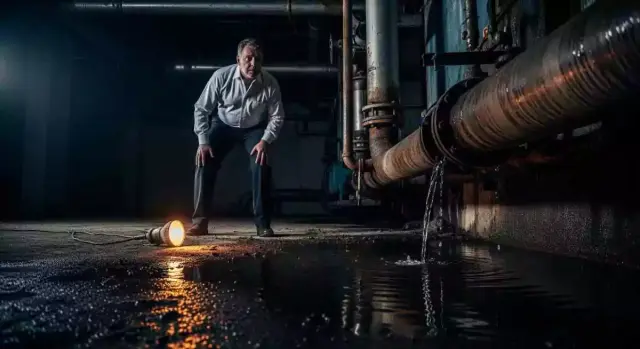
Commercial building plumbing is not designed for continuous flow. Pipes serving low-use fixtures restroom basins on upper floors, secondary pantry lines, rarely used kitchen outlets can go hours or days without water movement.
When water stagnates, two things happen. Chlorine residual degrades. Bacteria, given time and warmth, begin to multiply.
Legionella pneumophila responsible for Legionnaires’ disease thrives in exactly these conditions: warm water, low flow, degraded disinfectant. Legionella testing in commercial buildings consistently shows the highest bacterial counts at fixtures with the lowest usage records.
A PLOS Water study of a LEED-certified green office building found that after a standard weekend, lead levels at certain fixtures had risen above safe drinking water limi
Legionella counts were highest at the fixture with zero recorded use during the study period. The building was three years old. The mains supply tested clean throughout.
The risk is structural, not theoretical. And it does not announce itself with discoloured water or a bad smell. It is undetectable without testing.
Potable vs Non-Potable Water What the Difference Means for Testing
Many commercial buildings carry separate lines for fire suppression, irrigation, or cooling towers. Cross-connections where non-potable lines back-siphon into potable supply are among the most common and least-detected contamination sources in buildings.
A proper water safety audit for businesses identifies every cross-connection risk. A single dispenser test finds none of them.
Are Multiple Water Testing is Mandatory
Yes. IS 10500:2012 Applies to Every Water Point Used in Food Operations
Yes. FSSAI’s compliance framework does not permit single-point testing for multi-source facilities.
IS 10500:2012 is the Bureau of Indian Standards reference for potable water in India. FSSAI mandates compliance for all water used in food-related operations. The obligation explicitly covers:
- Water used directly in food preparation or as a recipe ingredient
- Water used to wash raw materials and fresh produce
- Water used to clean equipment, utensils, and food-contact surfaces
- Water used by staff for handwashing in food handling zones
No single drinking water test satisfies all four categories. Each point of use is a separate compliance obligation under FSSAI Schedule 4.
How does Water Cause the FSSAI Rejection
During FSSAI inspections, Food Safety Officers primarily check two things: pest control records and water testing reports. Water reports fail more often.
The three most common failure reasons: the report is older than six months; the lab is not NABL-accredited; or the report covers only one water source in a multi-source facility.
An FSSAI-valid water test report must be less than six months old, issued by a NABL-accredited laboratory, and cover all parameters defined under IS 10500:2012.
Reports from non-accredited labs have no legal validity for FSSAI compliance. A report covering only one point in a multi-source facility does not satisfy Schedule 4.
FSSAI can suspend a food business operator’s license on the basis of an inadequate or expired water test report. For a corporate cafeteria, that is closure not a warning.
Compliance is not the minimum. It is the floor below which you cannot fall without consequence.
What contamination is missed testing one water source?
Significant contamination. Multi-point water sample testing in corporate buildings consistently surfaces risks that single-point tests miss entirely.
Microbiological contamination: E. coli and total coliform are the primary markers of faecal contamination. Their presence in kitchen or restroom water indicates a plumbing hygiene failure. Coliform found in a restroom basin serving food handlers is a food safety failure even when the kitchen tap tests clean.
Lead and heavy metals: Older buildings with metal pipework leach lead, copper, and iron into stagnant water. Restroom and secondary kitchen lines in buildings over twenty years old are the most common source of elevated lead readings. Lead does not affect taste or appearance. It accumulates in the body silently over time.
Legionella: A defined risk in any commercial building water system with storage tanks, dead legs, or low-use fixtures. Legionella testing in commercial buildings is foundational to any serious water safety programme not optional.
None of these contaminants are visible. None have a smell. None appear in a report that tested only the drinking water dispenser.
What Should a Corporate Water Testing Audit Actually Include?
A corporate water safety audit has four non-negotiable components. If any one is missing, the audit is incomplete and the compliance it produces is not valid.
Sampling locations: Mains entry point, all drinking water dispensers and coolers, kitchen food-prep taps, cafeteria equipment supply lines, restroom basins on every floor, storage tanks, and any secondary or rarely-used outlets.
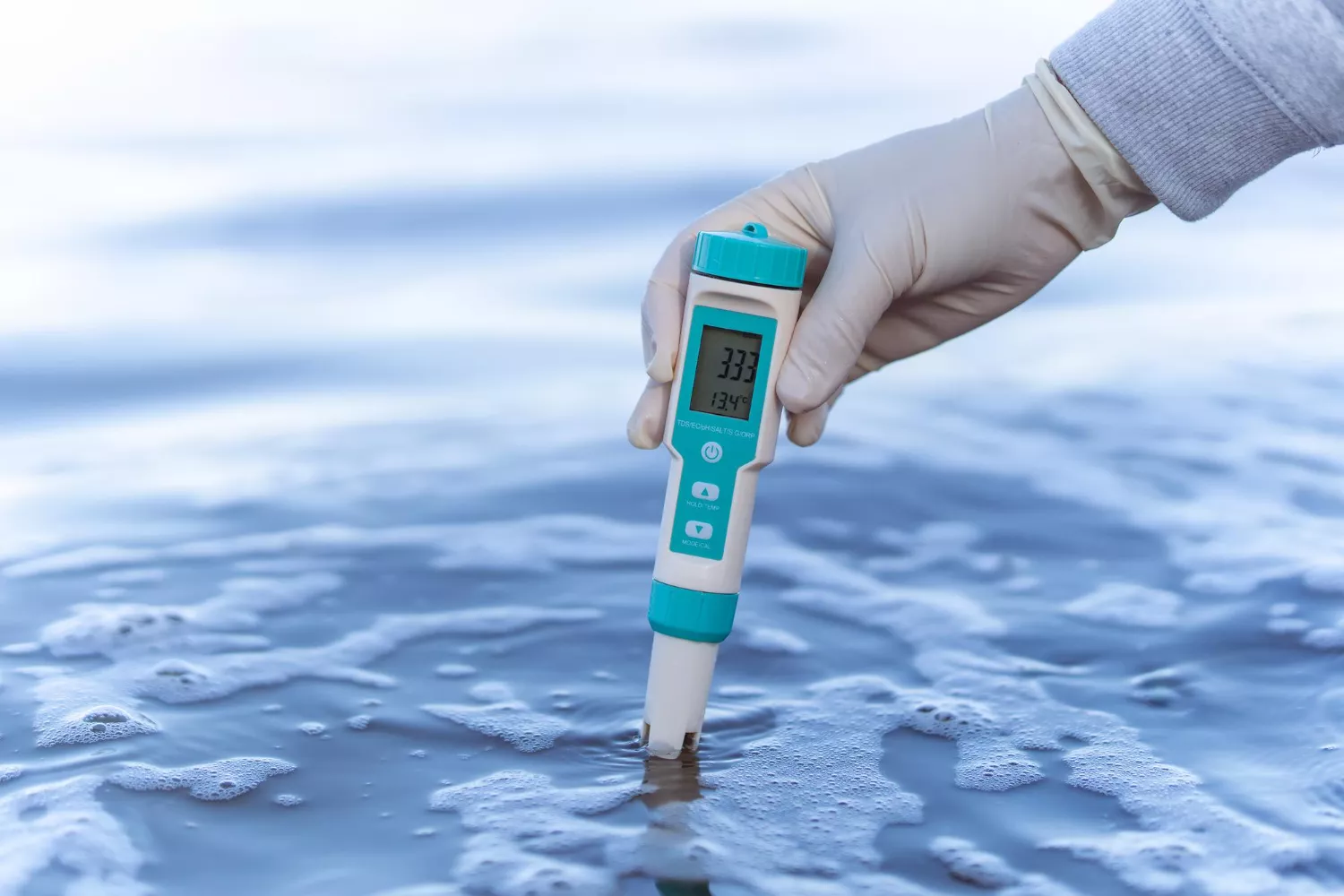
Parameters tested: At minimum total coliform count, E. coli, pH, turbidity, TDS, nitrates, chlorine residual, lead, arsenic, and Legionella. Full IS 10500:2012 compliance requires physical, chemical, and microbiological parameters all covered.
Testing frequency: FSSAI mandates a valid report not older than six months. High-risk settings, large cafeterias, on-site food manufacturing, healthcare-linked facilities should run quarterly testing.
Laboratory accreditation: Testing must be conducted by a NABL-accredited water testing laboratory. Sampling must be performed by the lab, not self-collected. Non-accredited lab reports are not valid for FSSAI audits.
Under FSSAI regulations, food businesses must identify all locations where water contacts food, utensils, equipment, or employees. The compliance obligation is location-specific not aggregate. One consolidated report for the entire facility is not sufficient.
Environmental monitoring services that include water testing must document sampling dates, sampler identity, chain-of-custody records, and results against IS 10500:2012 parameters in a format that survives a surprise FSSAI inspection.
How Do We Know If Our Current Water Test Is Actually FSSAI Compliant?
Ask three questions. If any answer is no, the current water testing is not FSSAI compliant.
- Is the report less than six months old? FSSAI does not accept expired reports. No exceptions, regardless of the test result.
- Was it issued by a NABL-accredited water testing laboratory? Check the lab’s NABL certificate number. Reports from non-accredited labs are not legally valid.
- Does it cover all water use points, drinking, kitchen, and restroom? If it covers only one source, it does not constitute Schedule 4 compliance, regardless of the result it shows.
Conclusion
A single water test at a single point confirms that one tap, on one day, met one standard. In a building with multiple water sources, that is not a safety programme. It is a document that creates the illusion of one.
The risk is not the absence of a test. It is the assumption that the test already in place covers the water actually being used.
Most corporate facilities carry that assumption. Most of them are wrong.
If the current report covers only one source in a multi-point facility, commission a comprehensive water safety audit from a NABL-accredited laboratory before the next FSSAI inspection finds the gap first.
FAQs
No. A single test covers one tap on one day. Corporate facilities have multiple water sources, drinking dispensers, kitchen taps, and restroom basins each requiring independent sampling.
FSSAI's Schedule 4 treats every point of water contact as a separate compliance obligation.
FSSAI requires a valid report no older than six months. High-risk settings, large cafeterias or on-site food production should test quarterly. An expired report, regardless
of its results, is rejected during inspections.
At minimum: all drinking dispensers, kitchen food-prep taps, cafeteria equipment lines, restroom basins on every floor, storage tanks, and rarely used outlets. Missing any one source means
the audit is incomplete and non-compliant.
No. Sampling must be performed by a NABL-accredited laboratory. Self-collected samples are not valid. Reports from non-accredited labs carry no legal standing during FSSAI inspections, regardless of the parameters tested.
Testing identifies E. coli, total coliform, lead, arsenic, Legionella, nitrates, and chlorine residual none of which are visible or detectable by smell. These contaminants are most commonly
found in restroom lines and secondary kitchen outlets, not drinking dispensers.