Introduction
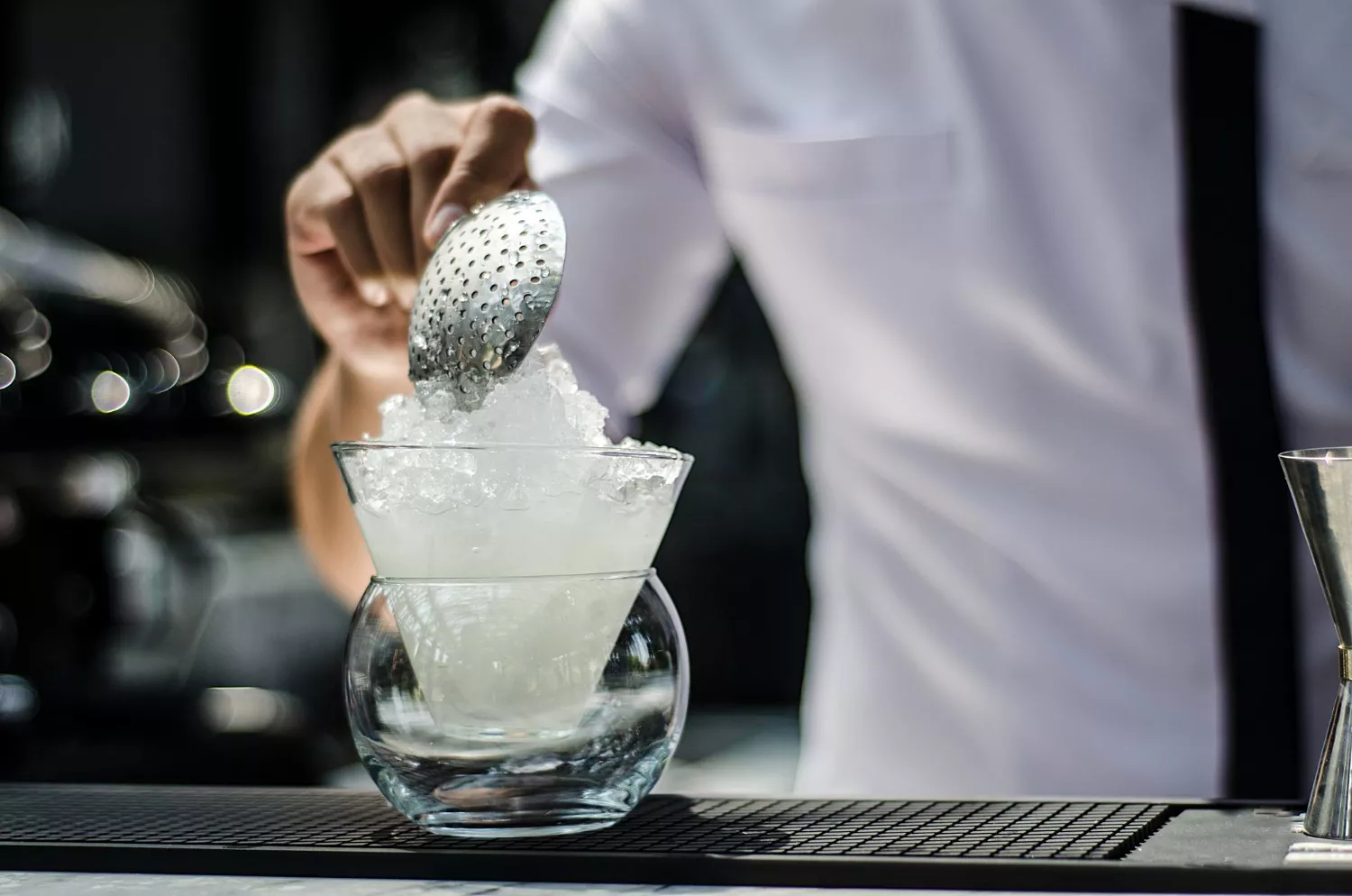
In most food businesses, ice is treated like a decoration.
A finishing touch. A harmless cube floating in a drink.
But here’s the truth:
Every cube of ice reveals the true state of your water quality.
And if your ice is contaminated, it’s never just the ice.
It means the same unsafe water is quietly slipping into everything you serve beverages, gravies, marinades, dough, chutneys, rice, even the final rinse water your ingredients touch.
That's why ice contamination is more than just a minor hygiene concern; it's a symptom of a larger water safety gap that has a subtle impact on taste, food quality, and your brand's reputation.
Is Ice a Contamination Threat?
Yes. Ice is one of the most commonly overlooked sources of contamination in the kitchen.
Freezing slows bacteria but does not kill them.
Whatever enters the water eventually ends up on the ice.
Common bacteria found in contaminated ice include:
- E. coli
- Coliforms
- Salmonella
- Pseudomonas
- Enterobacter species
- Mold and fungal spores
These come directly from untested water, dirty storage tanks, or poorly maintained ice machines.
So, the question is not, "Is ice bad for your health?" The real question is "How does ice become contaminated?"
How Does Ice Get Contaminated?
Ice contamination begins long before freezing.
1. Contaminated Water Supply
If your inlet water is unsafe, the ice will be unsafe even if the freezer is spotless. This is where water testing services become essential.
2. Biofilm in Storage Tanks
Even RO-treated water becomes contaminated if the tank is dirty. Biofilm is formed when bacteria bind together and cannot be removed without chemical cleansing.
3. Ice Machine Contamination
The machine's interior becomes a breeding zone when:
- Filters are not changed
- Scoops are placed on moist surfaces
- Staff use bare hands to pick ice
4. Freezer Cross-Contamination
Common in cloud kitchens and QSRs:
- Raw chicken stored near ice bags
- Thawing meats in the same freezer
- Leaking packets contaminate ice bins.
So, is ice from the fridge safe? Only if: When the water is tested, the tank is clean, the freezer is hygienic, and the handling is sanitary, fridge ice stops being a gamble and starts being genuinely safe.
The Taste Impact: Why Your Drinks Feel “Off”
Even minor contamination affects taste:
- Chlorine in municipal water produces harsh iced coffee.
- Borewell water with high TDS can leave a metallic after taste.
- Mold spores in tanks cause a "musty" smell.
- Bacterial infection causes sourness in liquids.
Your customer does not blame the ice. They are blaming your product.
The Food Safety Impact: Can Contaminated Ice Make You Sick?
Absolutely.
Symptoms customers may experience:
- Nausea
- Diarrhea
- Vomiting
- Stomach cramps
- Fever
- Stomach infection after ordering XYZ
One contaminated cube can trigger:
- Zomato/Swiggy delisting
- Refund storms
- Low ratings
- Food-borne illness complaints
Your menu might be perfect but contaminated ice can ruin everything.
In the food industry, perception is everything.
Customers judge your hygiene by:
- the clarity of ice
- taste of beverages
- mouthfeel of chilled drinks
- smell of water
If your ice is cloudy, smelly, or tastes strange, it signals: This kitchen lacks hygiene control.
Even if the food is excellent.
How to Know If Ice Is Safe to Eat
A visual check is not enough. But here are early warning signs:
- Cloudy or white flakes
- Sour or metallic smell
- Slime inside the ice machine
- Ice melts too quickly
- Bitter after taste
- Customer complaints
But detection should never rely on guesswork.
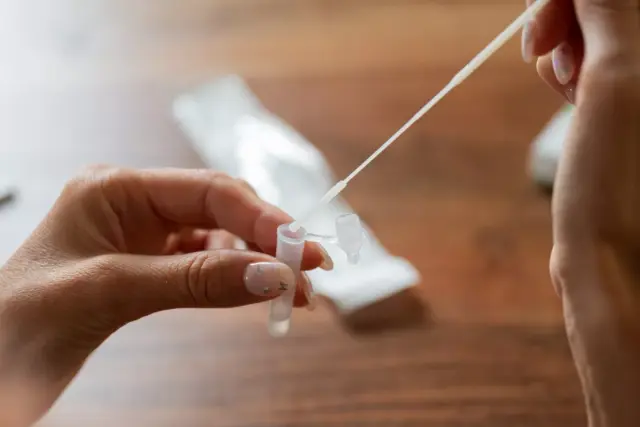
Only lab testing can confirm whether your ice or water is safe.
The Core Problems and How to Solve Them
Problem 1: Why does our iced tea/coffee taste strange?
Cause: High TDS, chlorine and tank contaminationSolution: Water testing + TDS analysis
Outcome: Clean, neutral-tasting ice that improves beverage quality.
Problem 2: Customers are complaining of stomach discomfort.
Cause: Microbial contamination in iceSolution: Microbial water testing and ice testing
Outcome: Zero-coliform ice, food safety compliance and complaints are reduced.
Problem 3: Ice looks cloudy or melts too quickly
Cause: Impurities in waterSolution: Chemical profiling (hardness, pH and TDS)
Outcome: Better clarity and stronger ice structure.
Problem 4: Our ice machine keeps smelling.
Cause: Biofilm in storage tanks and machines.Solution: Hygiene audits plus tank sanitation checks
Outcome:Clean tanks, safe ice, and longer equipment life.
Problem 5: Is ice machine contamination a regulatory risk?
Yes.Contaminated ice is a violation under food safety audits.Solution:Equinox Labs offers hygiene audits and water testing services.
Outcome: Audit-proof documentation and compliance.
How Equinox Labs Helps You Control Ice Safety
- Water quality testing
- Microbial profiling (E. coli, coliforms, pathogens)
- TDS, hardness, chlorine analysis
- Storage tank monitoring
- Ice machine hygiene audits
- RO/UV system performance checks
- Corrective actions & SOP creation
You don’t just get a report. You get control.
Conclusion
Ice contamination is not the main problem, it's the signal that your water system needs attention.
If your ice is unsafe, your entire kitchen ecosystem is at risk.
Because ice is not just frozen water. It is the mirror that reflects your water quality, hygiene practices, and brand reputation.
Safe water leads to safe ice, which protects your food and ultimately your entire business.
FAQs
Common organisms associated with food-borne illness include E. coli, Coliforms, Salmonella, Pseudomonas, mold, and yeast.
Contaminated ice can cause nausea, diarrhoea, vomiting, stomach cramps, and fever. Customers often report it as a “stomach infection” after a drink or dish containing unsafe ice.
Ice typically gets contaminated through dirty water, unclean ice machines, poor handling, and cross-contaminated storage. These allow microbes, chemicals, and debris to enter the ice before it reaches your customers.
Yes, because ice is consumed directly and never heated. Any microbial contamination moves straight to beverages and ready-to-eat items.
Poor water quality makes unsafe ice. Freezing doesn’t kill microbes or remove chemicals, so contamination in water goes straight into the ice and then into food and beverages.
Customers may experience nausea, stomach cramps, diarrhea, vomiting, and fever. Since ice goes into drinks and food prep, even a single contaminated cube can trigger these symptoms quickly after consumption.