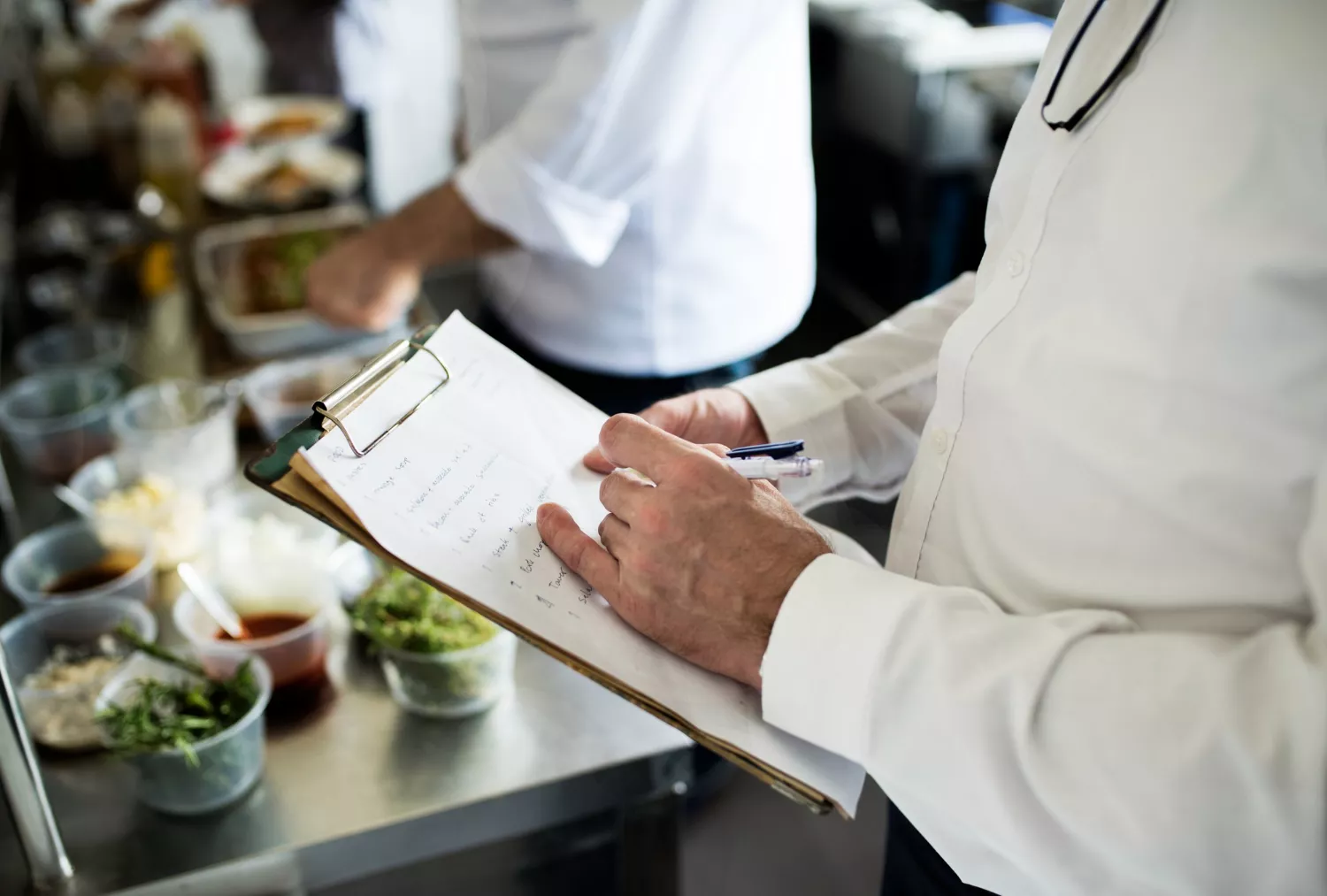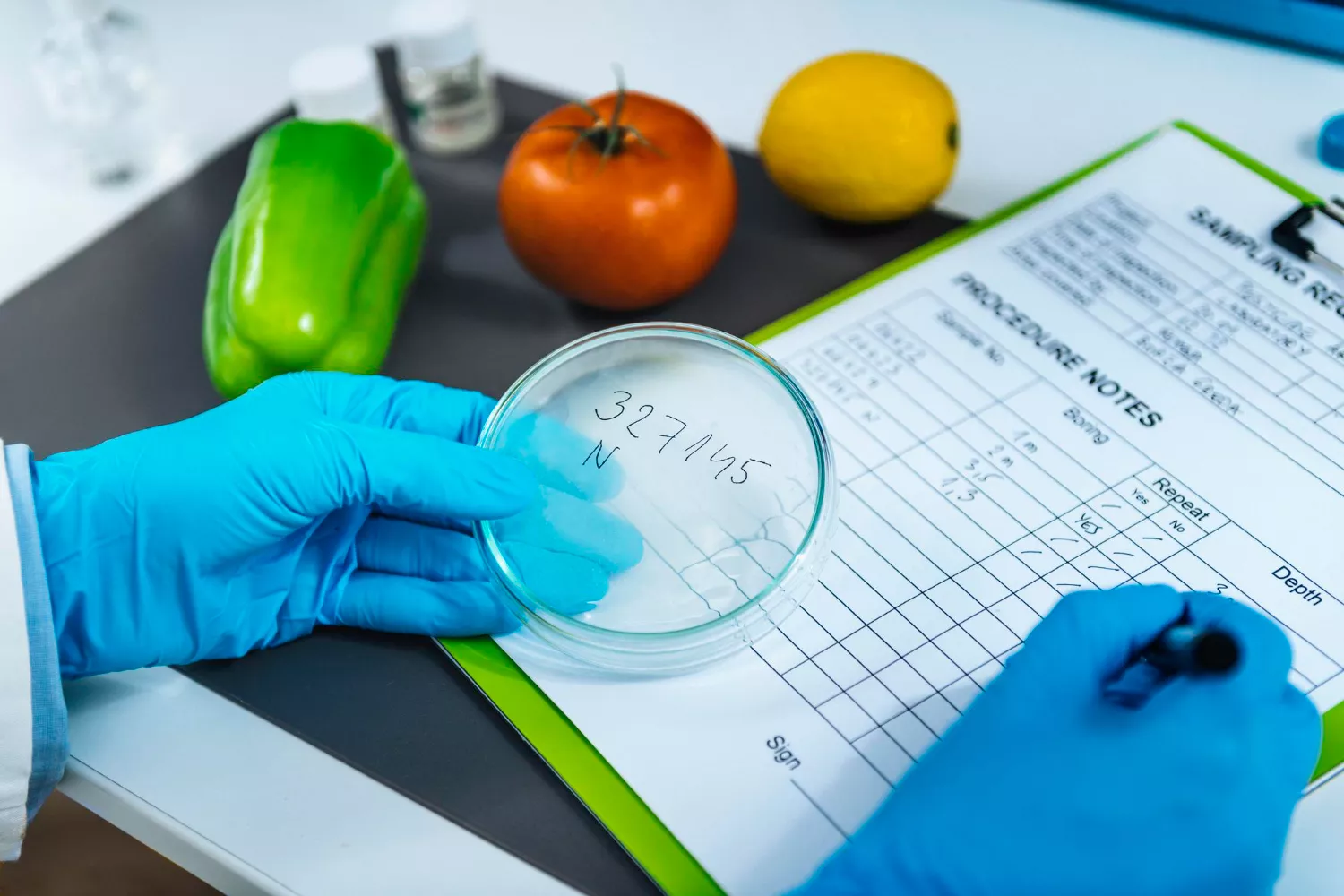
In a professional kitchen, an FSSAI license is just the starting line. The real challenge for any hotel, restaurant, or caterer (HoReCa) is maintaining "Grade A" standards during a 200-cover Saturday night rush when the team is under pressure.
A single food safety lapse does more than just trigger a fine. Kitchen Hygiene and Operational Safety, if not maintained, creates a "reputational leak" that social media can turn into a flood, leading to legal liabilities and a loss of consumer trust that marketing budgets can rarely fix. This guide moves past the basics to explore the systematic, science-backed approach required to protect your guests and your brand equity.
The Science of Operational Safety: Beyond the Basics
Kitchen hygiene is more than just a cleaning task; it is actually a risk-management strategy. While 90% of foodborne outbreaks are preventable, they continue to happen because of a reliance on "visual cleanliness" rather than microbiological safety.
Here are the 5 Pillars of a Self-Auditing Kitchen
To move from reactive fixing to proactive excellence, your operations must be built on five core pillars:
- The Human Vector: Controlling personal hygiene and cross-contamination risks.
- The Cold Chain: Science-based temperature management of the "Danger Zone."
- Chemical Integrity: The two-step process of cleaning vs. sanitization.
- Exclusionary Pest Management: Structural defenses against biological hazards.
- Waste Logistics: Systematic removal of decay-prone organic matter.
Personal Hygiene: Managing the Human Vector
Your staff is your most critical asset, but they are also the primary source of pathogens. A chef with a minor cut or a slight fever can unintentionally contaminate an entire batch of prep in seconds.
The 20-Second Handwashing Standard
Soap and warm water remain the most effective tools in your kitchen. Hand sanitizer is a secondary layer, not a shortcut.
- The "When": Staff must wash hands after handling raw proteins, touching hair or face, using mobile phones, or moving from "dirty" zones (dishwash area) to "clean" zones (plating).
- Health Reporting: Establish a no-penalty illness policy. Under FSSAI guidelines, staff exhibiting symptoms like jaundice, diarrhea, or fever must be excluded from food handling. It is far cheaper to be one person short on a shift than to cause a Salmonella outbreak.
The Cold Chain and Temperature Control
Bacteria don’t just exist; they multiply. In the Danger Zone (5°C to 60°C), some pathogens can double every 20 minutes.
Critical Thresholds for HoReCa
- Cold Storage: Refrigerators must be calibrated to 0°C–4°C.
- The 2-Hour/4-Hour Rule: High-risk food held in the danger zone for over 2 hours must be used immediately; after 4 hours, it must be discarded.
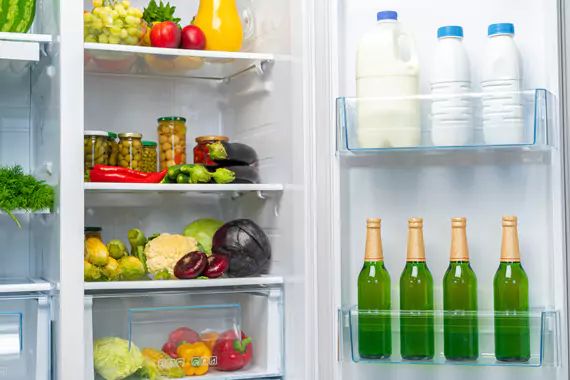
- Vertical Storage Logic: To prevent "drip contamination," always store raw poultry and meats on the lowest shelves of your walk-in, with ready-to-eat (RTE) foods and produce on the top.
All these points relate to some aspect of kitchen hygiene and operational safety. Do you know why?
Sanitization vs. Cleaning: The Professional Distinction
A common mistake in commercial kitchens is assuming that a surface that "looks clean" is safe.
- Cleaning:Removes visible dirt, grease, and food debris.
- Sanitizing: Reduces the bacterial load to a safe level using heat or chemicals.
You cannot sanitize a dirty surface. Grease and protein residues act as a bacterial shield against chemicals. Surfaces must be washed with detergent, rinsed, and then treated with a food-grade sanitizer.
Auditor’s Tip:Always use test strips to check your sanitizer concentration. If the PPM (parts per million) is too low, it’s ineffective; if it's too high, you risk chemical contamination of the food.
HACCP: Moving from Paper to Practice
Hazard Analysis and Critical Control Points (HACCP) isn't just a manual on a shelf- it’s a live system. Instead of hoping the food is safe, you identify the Critical Control Points (CCPs) where safety can be measured.
Example: The Burger CCP
- The Limit: Internal temperature must reach 75°C.
- The Monitoring: The line cook uses a calibrated probe thermometer.
- The Record: The temperature is logged digitally or on a daily sheet.
- The Correction: If the temperature is 70⁰C, the burger stays on the grill.
How you apply this theory or manual is up to the user at the end of the day. The aim should be the optimal application of even the small parts of the manual.
Building a Culture of Verification
Rules only work when they are followed during the middle of a rush. This requires a transition from a trust-based model to a "verify-based" model.
- Internal Audits: Assign a "Safety Champion" for every shift to verify logs.
- Microbiological Testing: Visual inspections can't see Listeria or E. coli. Regular surface swab analysis and water quality testing provide the objective data needed to confirm your protocols actually work.
- Structural Integrity: Ensure your pest control is proactive (exclusion) rather than reactive (poison). Seal gaps, use door sweeps, and keep floor drains scrubbed to prevent "drain fly" infestations.
Conclusion
Kitchen hygiene is a daily discipline, not a one-time project. By mastering the cold chain, enforcing strict personal hygiene, and utilizing data-backed sanitization, you protect the heart of your HoReCa business: the guest experience. Ready to elevate your kitchen's safety standards? Conducting a self-audit is the first step toward compliance and consumer trust.
Is your kitchen truly audit-ready?
Partnering with experts like Equinox Labs brings 20+ years of technical auditing and NABL-accredited testing to your facility. We help you move beyond guesswork to ensure your brand stands for uncompromising safety and quality.
Professional testing services that give you confidence in your food safety program and peace of mind for your customers.
FAQs
The most common cause is using the same equipment, like cutting boards or knives, for both raw meat and fresh vegetables without washing them in between. To prevent this, professional kitchens use a color-coded system (e.g., Red for raw meat, Green for vegetables) to keep different food types separate.
The Danger Zone is the temperature range between 5°C and 60°C. In this range, bacteria can double in number every 20 minutes. To keep food safe, hot food should be kept above 60°C and cold food should be stored below 5°C.
No. In a kitchen, hand sanitizer cannot remove grease, dirt, or food proteins that shield bacteria. You must always wash your hands with soap and warm water for at least 20 seconds. Sanitizer should only be used as an extra step after washing.
Cleaning is the physical act of removing visible dirt and grease using soap. Sanitizing is a second step that uses special chemicals or high heat to kill the tiny germs you can't see. You must always clean a surface before you can properly sanitize it.
While you should perform internal checks daily, it is best practice to have a professional, third-party hygiene audit every quarter. This ensures your kitchen meets FSSAI standards and helps identify hidden risks, such as contaminated water or failing refrigeration units.