When Maharashtra FDA officers walk into your restaurant kitchen unannounced, they check five things first: your FSSAI license display, your food handlers' medical fitness certificates, your potable water test report, your pest control records, and the physical hygiene of your food contact surfaces. If any of these are missing or expired, you don't get a warning, you get an improvement notice, and in serious cases, license suspension. And that is why food safety testing is important. Here's the FSSAI kitchen inspection checklist, in the order officers actually follow it.
Enforcement Drive
Why is the FDA inspecting restaurants in Mumbai right now?
On July 27, 2026, Maharashtra FDA Commissioner Tukaram Mundhe's team ran a special inspection across seven food establishments in Greater Mumbai clubs, canteens, and restaurants.
Five lost their FSSAI licences on the spot, including The Cricket Club of India, RK Juhu Gymkhana, Aparna Juhu Gymkhana, MIG Cricket Club, and The Willingdon Sports Club.
Inspectors cited cockroach and fly infestation, mouldy vegetables, expired stock, and clogged drains. Days later, the FDA shut two IIT Bombay hostel canteens for operating without a valid food licence, and suspended the licence of Eat Nino (Nino's Burger) in Dadar over hygiene and sanitation violations. By mid-August, restaurants across the city were reportedly doing emergency deep-cleans and kitchen revamps to get ahead of the next visit. Read how this kind of enforcement wave plays out in Mumbai's Unsafe Eateries: The Domino Effect.
That's the pattern to understand: this is an active, ongoing enforcement drive across Mumbai, Thane, Pune and Navi Mumbai not a one-off. Inspections also spike around consumer complaints, food-poisoning traces, and seasonal risk windows like festivals and monsoon.
The important part: inspections are unannounced by design. The officer's job is to see your kitchen as it runs on a normal Tuesday, not the version you prepare for a scheduled visit.
Problem → Impact → Action
Problem: Most kitchens operate compliant "in spirit" but can't produce documents on demand.
Impact: An improvement notice gives you 14 days to comply. A suspension closes your kitchen mid-season. Either way, your name can appear in FDA's public enforcement updates and that screenshot circulates faster than any ad you've ever run.
Action: Run a self-audit against the exact FSSAI checklist below, this week.
Paperwork First
What documents does the FDA officer ask for first?
Before anyone looks at your dal, they look at your paperwork:
01
FSSAI License
Valid, matching your actual activity (manufacturing vs. serving), displayed at the entrance.
02
Food Handler Medical Fitness Certificates
For every person touching food, renewed annually. This is the single most common gap we find in audits.
03
Water Test Report
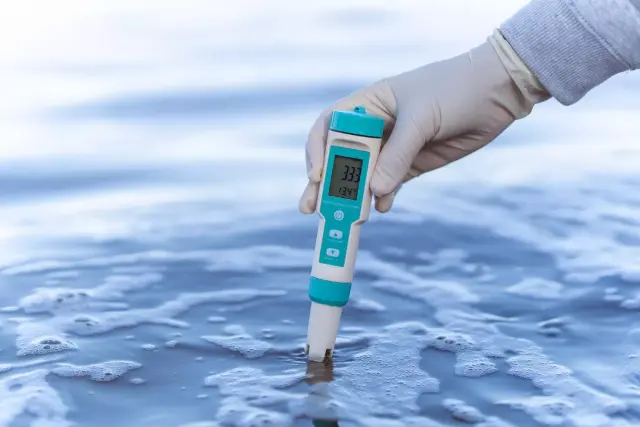
Potable water certificate from an NABL-accredited lab, ideally not older than 6 months.
04
Pest Control Records
Service reports from a licensed operator, with frequency matching your risk level.
05
FoSTaC Certificate
At least one trained and certified Food Safety Supervisor per outlet.
06
Raw Material Purchase Records
Bills that prove you buy from licensed vendors.
What To Do This Week: Put all six into one physical folder labelled "FDA" at the outlet, and one shared drive folder for the founder. If an officer asks and your manager says "sir, it's with head office" that's a finding, not an answer.
Physical Inspection
What do officers physically check in the kitchen?
After documents, the walkthrough. Officers typically move in this order:
Kitchen Walkthrough Order
Receiving & Storage
Raw and cooked food separated, FIFO followed, nothing on the floor, freezer/chiller temperatures logged.
Food Contact Surfaces
Chopping boards, knives, prep tables. This is where swab testing matters — a visually clean surface can still carry E. coli or Salmonella. Officers can pick up samples; so can you, before they do.
Water Point
Source, storage tank condition, and whether your water test report matches your actual source.
Personnel Hygiene
Head caps, gloves where needed, hand-wash stations with soap actually present, no jewellery on prep staff.
Waste Management
Covered bins, segregation, no waste stored near prep areas.
Oil Quality
Repeated frying oil is a current enforcement focus — TPC (Total Polar Compounds) must stay under 25%.
Consequences
What happens if a food or water sample fails?
Officers can lift samples of food, water or ice and send them to the state lab. If a sample is found sub-standard, you face penalties under FSS Act Section 51 (fines up to ₹5 lakh). If it's found unsafe, it moves into prosecution territory and your license is at immediate risk.
A real scenario: A 40-seat QSR in Andheri received an improvement notice after ice made from untested tank water failed a microbial test. Rectification, re-testing, and re-inspection took 19 days. During that period, two aggregator platforms delisted the outlet. The founder estimated the total cost lost orders, legal help, emergency compliance work at over ₹8 lakh. The water test that would have caught it costs a few thousand rupees.
The FDA Doesn't Announce. You Prepare.
Book an FDA Readiness Audit — hygiene audit, food, water and swab testing, with NABL-accredited reports in hand before anyone knocks.
Book My Readiness Audit Readiness
How do you prepare before the FDA arrives?
You run the inspection on yourself, before they do. A proper FDA readiness audit covers:
Kitchen Hygiene Audit
Food Micro Testing
Drinking Water Testing
Swab Testing
FoSTaC Training
| Readiness Item | What It Covers |
|---|---|
| Kitchen Hygiene Audit | The same walkthrough an officer does — scored, with photo evidence and a rectification list. |
| Food Micro Testing | Your high-risk items tested at an NABL-accredited lab, so you hold a report before anyone lifts a sample. |
| Drinking Water Testing | Source + storage, IS 10500 compliance. |
| Swab Testing | Surfaces, hands, utensils. |
| FoSTaC Training | Certified Food Safety Supervisor on the roster. |
What To Do This Week
Book the audit now, fix findings in week two, hold your reports by week three. When the officer arrives, you hand over a folder, not an explanation.
FAQ
Frequently Asked Questions
Yes. Unannounced inspections are standard practice under the FSS Act. No advance intimation is required.
Every 6 months at minimum; quarterly if you use tanker or borewell water, or make ice in-house.
Fines up to ₹5 lakh for sub-standard food under Section 51; unsafe food attracts higher penalties and possible prosecution.
FSSAI requires licensed food businesses to have at least one trained and certified Food Safety Supervisor.
A suspension means you must stop food operations immediately. To get the license reinstated, you have to fix every cited deficiency, document the corrective action, and pass a re-inspection — as the FDA has required of the Mumbai clubs suspended in its July 2026 drive. There's no fixed timeline; it depends on how fast you close the gaps and how quickly the FDA schedules the re-check. This is why most outlets treat a suspension as a full operational shutdown until cleared, not a formality.