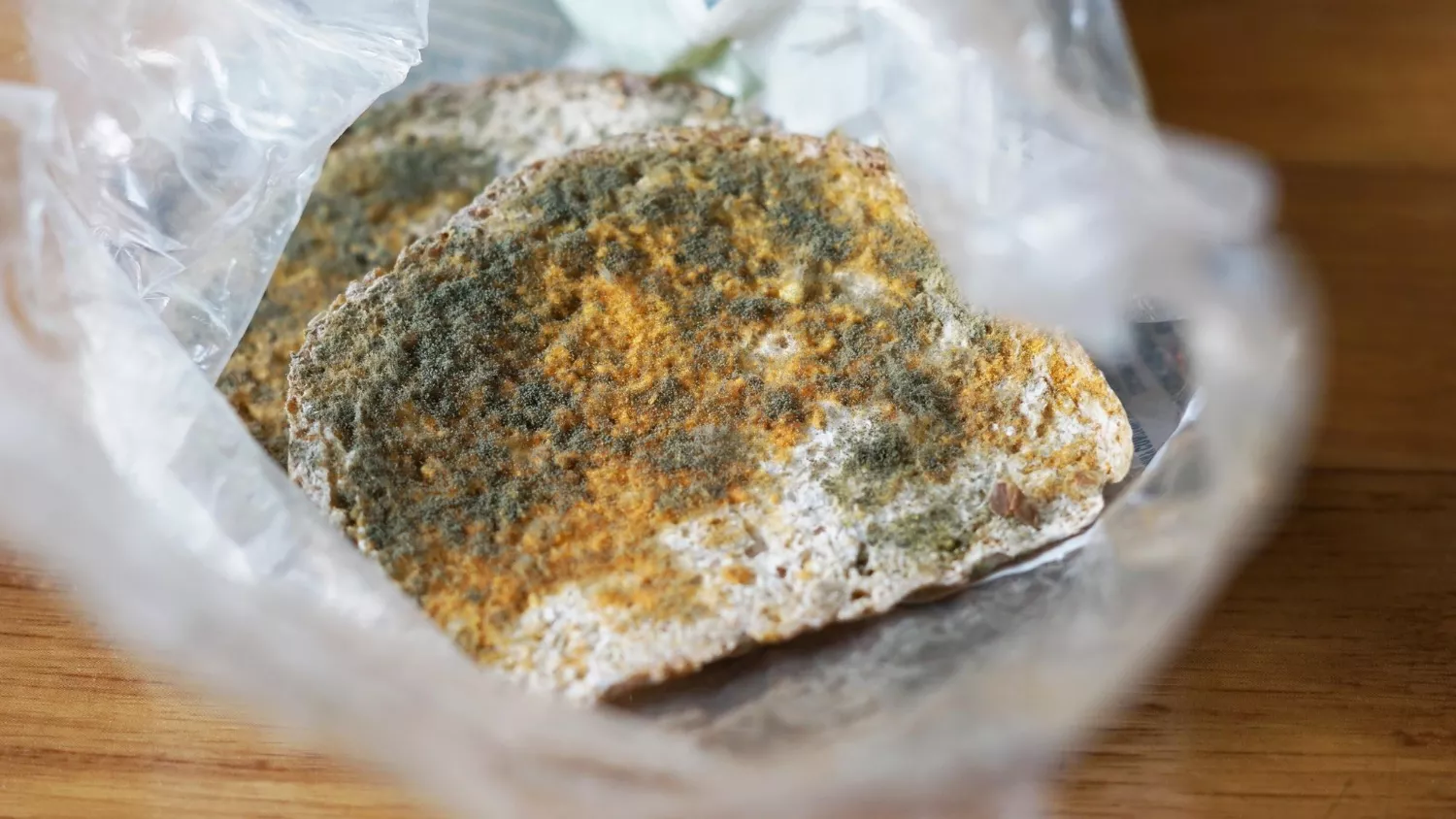
Monsoon humidity damages food supply chains by triggering mould growth, mycotoxin contamination, packaging failures, and cold-chain breakdowns. What makes it particularly concerning is the speed of impacts. Contamination that takes weeks in dry conditions can develop within 48 hours once humidity crosses critical thresholds. And unlike visible spoilage, mycotoxin damage leaves no obvious sign until a lab test or a rejected shipment tells you it's too late. When relative humidity exceeds 65%, food storage environments become breeding grounds for Aspergillus mould the source of carcinogenic aflatoxins. According to ICAR (2023), India loses approximately 74 million tonnes of food annually, that is 22% of total foodgrain output. The economic toll is USD 18.5 billion per year in post-harvest losses, per NABCONS / Ministry of Food Processing Industries (2022).
- India loses 74 million tonnes of food annually , that is 22% of foodgrain output (ICAR, 2023).
- Monsoon conditions (June–September) create ideal conditions for aflatoxins Group 1 carcinogens (IARC).
- Refrigerated transport penetration in India is below 15%, leaving most perishables unprotected in transit.
- Between 2019 and 2024, over 8,200 tonnes of foodgrains will be spoiled in FCI facilities in Punjab alone.
- FSSAI mandates strict mycotoxin limits year-round and monsoon is not an exemption.
- Pre-monsoon testing, humidity-controlled storage, and FSSAI-compliant food testing by Equinox Labs are your three strongest defenses.
Key Takeaways
Why Does Monsoon Humidity Destroy Food Quality So Fast?
Humidity destroys food quality by raising the water activity (aw) of stored products. Water activity is the measure of free moisture available for microbial and chemical reactions. Most spoilage moulds activate at aw above 0.70. Most bacteria activate at above 0.85. India's monsoon routinely pushes warehouse humidity above 85–95%,far past these thresholds.
Damage happens three ways simultaneously. Moisture enters products through packaging seams and porous surfaces. Condensation forms inside storage facilities and transport containers. Ambient temperatures of 28–35°C across most Indian states create the warm, wet conditions that mould and bacteria thrive in.
Most Indian spices, grains, and packaged snacks are formulated with aw below 0.60. Monsoon humidity can raise that to 0.75 or higher within days crossing directly into the aflatoxin danger zone.
What Are Aflatoxins and Why Are They India's Biggest Monsoon Risk?
Aflatoxins are cancer-causing toxins produced by Aspergillus flavus and Aspergillus parasiticus moulds. The International Agency for Research on Cancer (IARC) classifies them as Group 1 human carcinogens. They cause liver cancer, suppress immunity, and damage kidneys with chronic exposure.
A peer-reviewed study published in PMC/NCBI found aflatoxin B1 contamination in 41.38% of Karnataka animal feed samples directly linked to India's warm, humid monsoon conditions.
⚠️ Critical Fact
Aflatoxins are heat-stable toxins and cannot be removed by cooking. A contaminated batch of rice, maize, or groundnuts remains dangerous even after full cooking. Prevention through proper testing and storage is the only effective solution.
- Groundnuts are highly vulnerable to rapid aflatoxin contamination when exposed to moisture during storage.
- Maize and rice are Kharif crops enter storage at peak ambient humidity; must be dried to below 13% moisture before storage
- Spices (chilli, turmeric, coriander) aflatoxin contamination is the leading cause of Indian export rejections at EU and US ports
- Pulses storage gluts in good monsoon years elevate contamination risk
- Edible oils is pressed from contaminated seeds carry aflatoxin into the final product
Highest-risk food categories during monsoon:
How Does Monsoon Damage Your Supply Chain Stage by Stage?
Monsoon damage affects every stage of the food supply chain — from farms and storage facilities to transport and retail shelves.
| Supply Chain Stage | Primary Monsoon Hazard | Prevention Action |
|---|---|---|
|
Post-Harvest (Farm)
|
High field humidity, flooding, delayed drying | Dry to <13% moisture; pre-storage mycotoxin testing |
|
Primary Warehouse
|
Condensation, wall seepage, trapped humidity | Dehumidifiers; IoT sensors; raised pallets; sealed walls |
|
Transit / Transport
|
Unrefrigerated trucks, flood-delayed routes | Refrigerated transport; data loggers; alternate routing |
|
Distribution Centre
|
Loading and unloading in open rain conditions | Covered docking bays; moisture-resistant packaging |
|
Retail / Last Mile
|
High-humidity shop floors and storage areas | Silica-gel sachets; shortened shelf-life windows |
⚠️ The cold chain gap makes this worse
Industry reports estimate refrigerated transport penetration in India remains relatively low compared to demand, leaving a large share of perishables vulnerable during transit. During monsoon, unrefrigerated trucks become mobile humidity chambers produce that reached the warehouse in good condition deteriorates in 8–16 hours of transit. India also faces a cold storage shortfall of 35 million metric tonnes, per the National Centre for Cold-Chain Development (NCCD).
Real-World Evidence
FCI Punjab (2019–2024): Over 8,200 tonnes of foodgrains spoiled in Food Corporation of India facilities in Punjab alone. The primary cause was moisture infiltration through porous jute sacks and the Cover and Plinth (CAP) open-storage method where grain is stored outdoors under tarpaulin sheets. An estimated 30 million tonnes of foodgrains are stored this way across India. During monsoon, tarpaulins fail at seams and edges, allowing direct water contact with grain.
Indian Spice Exports: India exports approximately 4464.17 million USD worth of spices annually. The EU sets a maximum of 10 µg/kg total aflatoxins in spices stricter than India's own FSSAI limits. Consignments exported immediately after monsoon harvest when moisture content is highest and pre-shipment testing is often skipped account for a disproportionate share of export rejections. A single rejection triggers EU-wide screening of all subsequent Indian spice shipments at the border.
How to Protect Your Food Supply Chain from Monsoon Damage (Step-by-Step)
-
Step 1 — Pre-Monsoon Raw Material Testing (April–May)
Test all raw material batches for moisture content, water activity, and mycotoxin levels (aflatoxin, ochratoxin, fumonisin) before the monsoon arrives. Reject or quarantine borderline batches they will fail during wet-season storage.
-
Step 2 — Warehouse Humidity Control
Install dehumidifiers to maintain relative humidity below 65%. Deploy IoT-based sensors with real-time alerts. Seal wall cracks and seepage points before June. Keep stock on raised pallets at least 6 inches off the floor.
-
Step 3 — Packaging Barrier Audit
Test packaging for moisture vapour transmission rate (MVTR) under monsoon-equivalent conditions (35°C, 90% RH). Standard lab tests at 23°C / 50% RH do not reflect Indian monsoon realities.
-
Step 4 — Cold Chain Verification
Audit refrigerated transport partners for temperature consistency before June. Deploy calibrated data loggers in every refrigerated shipment from June to September.
-
Step 5 — Monthly In-Season Monitoring (June–September)
Schedule monthly FSSAI-compliant microbial and mycotoxin testing for raw materials and finished goods throughout the monsoon period. Test any batch immediately that shows discolouration, off-odour, or clumping. → equinoxlab.com/food-testing
-
Step 6 — Post-Monsoon Audit (October)
Run a full food safety audit before year-end dispatch cycles peak. Validate that packaging, storage conditions, and product quality still meet FSSAI thresholds for festive season distribution.
What FSSAI Limits Apply During Monsoon?
FSSAI compliance has no monsoon exemption. The Food Safety and Standards (Contaminants, Toxins and Residues) Regulations apply year-round.
| Contaminant | FSSAI Limit | Food Category |
|---|---|---|
| Total Aflatoxins (B1+B2+G1+G2) | 30 µg/kg | Groundnuts, cereals, tree nuts |
| Aflatoxin B1 | 15 µg/kg | All food commodities |
| Aflatoxin M1 | 0.5 µg/kg | Milk and dairy |
| Ochratoxin A | 20 µg/kg | Cereals, coffee, dried fruit |
Non-compliance can trigger product recalls, FBO licence suspension, and criminal prosecution under the Food Safety and Standards Act 2006. For exporters, one contaminated shipment can trigger an EU RASFF (Rapid Alert System for Food and Feed) notification leading to full-category border screening of all subsequent Indian shipments.
Equinox Labs offers comprehensive food testing covering every major FSSAI-regulated contaminant.
Is Your Supply Chain Monsoon-Ready?
Equinox Labs is India's FSSAI-notified, NABL-accredited testing and compliance partner 20+ years of experience, 90,000+ clients, 550+ cities.
Book a Pre-Monsoon Food Safety Test: equinoxlab.com/food-testing. Explore all services: equinoxlab.com
FAQs
It raises moisture levels past the critical thresholds that trigger mould growth, aflatoxin contamination, packaging failure, and spoilage. India loses 74 million tonnes of food annually 22% of
foodgrain output with post-harvest losses costing USD 18.5 billion per year.
Aflatoxins are Group 1 human carcinogens (IARC) produced by Aspergillus mould. They thrive in warm, humid monsoon conditions and contaminate grains, spices, nuts, and pulses.
They cannot be destroyed by cooking; prevention through pre-season testing is the only effective strategy.
Groundnuts, maize, rice, spices (chilli, turmeric, coriander), pulses, and edible oils face the highest aflatoxin risk. Fresh produce, dairy, and ready-to-eat meals face additional bacterial
risks (Salmonella, Listeria, E. coli) when cold-chain integrity fails during transit.
Equinox Labs provides pre-monsoon mycotoxin testing, water activity analysis, packaging MVTR testing, accelerated shelf-life studies, FSSAI food safety audits, and monthly in-season
monitoring all under NABL and FSSAI accreditation. Contact: equinoxlab.com